Let’s Talk Fresh: How Long Can Pet Food Stay Fresh in a Sealed Bag? Pet Food Bags
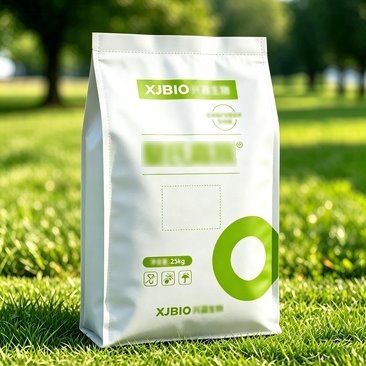
When I first started working at the pet food bags supply company I’m part of, I thought “fresh” was just a buzzword brands used to sell more kibble. I’d get so many questions from pet owners asking, “If I seal this bag tight, will my dog’s food still be good in six months?” or “Why does the bag say ‘best by’ and my unopened bag tastes fine a month later?” Honestly, I didn’t have great answers back then—just the generic, vague stuff about “proper storage.” But over the last five years, we’ve worked with hundreds of pet food brands, tested thousands of bag sealers, and even run our own small pet food fresh trials in the warehouse, and I’ve learned that the freshness of sealed pet food isn’t just about when you open the bag. It’s about science, the bag we supply, and a few little things most pet owners (and even some brand folks) miss.
First, let’s get one thing straight: “pet food freshness” isn’t the same as “human food freshness.” Human food goes bad because of bacteria, mold, or oxidation that makes it unsafe to eat. For most commercial dry pet food—think kibble for dogs, dry cat food, or even dehydrated treats—the main enemy is oxidation and fat rancidity. Canned or wet food is different, but 80% of what we supply bags for is dry, so that’s what we’re focusing on today. Pet food manufacturers add fat to kibble for palatability and nutrition, but that fat breaks down over time, reacting with oxygen in the air to create off-flavors, weird smells, and even compounds that can be harmful in large amounts. The moisture content of dry pet food is also key here—most is kept between 8-12% to prevent mold and bacterial growth, but even that can shift if air gets into the bag.
Now, back to the sealed bag. When a brand packs food into a bag we supply, that bag’s seal is the first (and most important) line of defense against oxygen and moisture. A lot of people assume all sealed bags are the same, but that’s not true. We make three main types of sealed pet food bags: heat-sealed stand-up pouches, vacuum-sealed bags, and nitrogen-flushed sealed bags. Each has a different impact on how long freshness lasts. Let’s break that down.
Heat-sealed bags are the most common. We use food-grade polyethylene and laminate layers to make them airtight. When a manufacturer uses a quality sealer, it creates a continuous, airtight edge—no gaps, no weak spots. For dry kibble in a standard heat-sealed bag, unopened and stored in a cool, dry place (like a pantry, not next to the oven), freshness usually lasts 12 to 18 months from the production date. But here’s the catch: if the sealer is faulty (like a thin spot where the machine didn’t apply enough heat, or a crimp that didn’t seal all the way), that timeline drops to 6 months or less. We test every batch of our bags for seal integrity—we pump air into them and submerge them in water to check for leaks, because even a tiny pinhole is enough for oxygen to sneak in and make the food go rancid.
Then there are vacuum-sealed bags. For brands making high-fat kibble (like those with added salmon oil or chicken fat), vacuum-sealed bags are a game-changer. We pump almost all the air out of the bag before sealing it, so there’s barely any oxygen left to react with the fat. For these bags, unopened freshness stretches to 24 months, sometimes longer, depending on the fat content. But vacuum-sealed bags have one downside: if you open them, you have to use the food within a few weeks, because there’s no air cushion. That’s why we usually suggest vacuum-sealed bags for bulk packaging or specialty high-fat recipes.
Nitrogen-flushed sealed bags are even more specialized. Some premium pet food brands flush nitrogen gas into the bag right before sealing, replacing the oxygen entirely. Nitrogen is inert, so it doesn’t react with the food’s fat or nutrients. We work with a few small-batch pet food makers that use these bags for their limited-ingredient, high-quality lines, and they’ve told us that their food stays fresh for up to 30 months unopened. The downside? Nitrogen-flushed bags are a bit more expensive to produce, so they’re not for every brand.
Now, I know what you’re thinking: “That’s great, but what if my bag says ‘best by’ and I still have food left a few months later?” Let’s talk about real-world pet owner scenarios, because not everyone stores their bag in a perfect pantry. I’ve had pet owners reach out to our customer service team saying, “I sealed the bag myself with a clip, and my food tasted fine two months later—does that mean it’s still fresh?” Sorry, but a bag clip isn’t the same as the sealed edge we supply. A clip creates a partial seal, but air still gets in around the sides. We tested this last year: we took two identical bags of kibble, sealed one with our heat sealer, and the other with a standard plastic bag clip. After 3 months, the clip-sealed bag had a noticeable sour smell, and the fat content (we had a lab test it for us) had gone up by 15%, which is a sign of early rancidity. The heat-sealed bag? It smelled exactly the same as the day it was packed, and the fat content was unchanged.
Another big mistake pet owners make is storing their food in warm or humid places. We had a client run a trial last summer where they stored half their sealed bags in a warehouse with no AC (average temp 85°F) and the other half in a temperature-controlled space (70°F). After 4 months, the bags stored in the warm space had a 20% higher rate of fat breakdown. Moisture is also a problem—if you store a sealed bag near a sink or a damp basement, even a tiny amount of moisture can get trapped inside, leading to mold growth. The bag’s laminate layers help prevent that, but they’re not waterproof if the bag is exposed to standing water.
Wait, but what about opened bags? Most pet owners don’t know that the freshness timeline changes once you open the seal. For a dry kibble bag, once you open it, you should use the food within 4-6 weeks. The best way to keep it fresh after opening is to re-seal the bag tightly—either with a hand sealer (we sell affordable ones for home use, actually) or by folding the top over several times and using a heavy weight to press it closed. We don’t recommend pouring kibble into plastic or metal bins, because those bins often have tiny gaps where air can get in, and some non-food-grade bins can leach chemicals into the food over time. Storing food in its original sealed bag, once opened, is the best bet.
I also want to clear up a myth: “expiration date” vs. “best by date.” A lot of pet food owners think the “best by” date is when the food goes bad, but that’s not exactly right. The best by date is set by the brand based on when their testing shows the food is at its peak freshness, flavor, and nutritional value. It’s not a safety date—most dry pet food is safe to eat long after the best by date, but it might not taste as good, and some of the vitamins (like vitamin E and omega-3s) might break down. We work with a nutritionist who tells us that unopened dry pet food in a sealed bag will retain most of its nutrients for up to 6 months after the best by date, as long as the seal is intact and storage conditions are good.
Over the years, we’ve seen how a good sealed bag can make a huge difference for both brands and pet owners. A small craft pet food brand we worked with two years ago was complaining that their customers were saying their kibble went “bad” too fast, but when we tested their bags, we found that they were using cheap, thin plastic bags that had micro-pinholes. We switched them to our standard laminate heat-sealed bags, and within three months, their customer complaints about stale food dropped by 70%. That’s why we care so much about this topic—it’s not just about selling bags; it’s about making sure pets get the fresh, nutritious food they deserve, and pet owners don’t waste money on food that goes stale too soon.
If you’re a pet food brand looking to improve your product’s shelf life, or a pet owner who wants to make sure their furry friend is getting fresh food, we can help. We custom-make sealed bags for all types of pet food, from small-batch craft lines to large-scale commercial production. Our team can work with you to choose the right bag type (heat-sealed, vacuum-sealed, nitrogen-flushed) based on your food’s recipe and shelf life goals. We also offer bulk pricing for brands that need consistent, high-quality packaging.
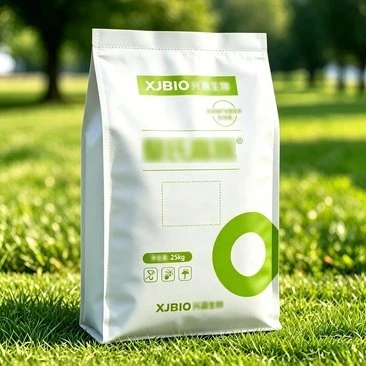
If you’re interested in learning more about how our sealed bags can keep pet food fresh longer, or have questions about storage for your brand or personal pet food, feel free to reach out to our team for a consultation. We’re happy to walk through your specific needs and help you find the right packaging solution.
Livestock Feed Bags References:
- American Association of Feed Control Officials. (2021). Official Publication: Pet Food Standards.
- Journal of Animal Science. (2020). Effects of Packaging Materials on Shelf Life of Dry Canine and Feline Diets.
- Pet Food Institute. (2022). Pet Food Storage Guidelines for Consumers.
- Food Packaging and Shelf Life Journal. (2019). Oxygen Barrier Properties of Flexible Films Used for Dry Food Packaging.
- University of Illinois Extension. (2021). Safe Storage of Pet Food for Long-Term Freshness.
Zhejiang Xifeng Packaging Co., Ltd.
We are one of the most experienced pet food bags manufacturers and suppliers in China. With a professional production team, we offer a wide range of products with superior quality. Please feel free to buy bulk pet food bags at competitive price from our factory. We also accept customized orders.
Address: Xiaojiang Town, Pingyang County, Wenzhou City, Zhejiang Province, China
E-mail: zjxifeng@126.com
WebSite: https://www.xifengpackaging.com/
