If you’ve ever run my fingers over a cozy knit sweater, a smooth, stretchy pair of activewear leggings, or a soft drapey lining inside a winter coat, chances are you’ve felt the work of air covered yarn (ACY) – the specialty textile product I’ve spent the last eight years supplying to brands, knitters, and fabric manufacturers across North America and Europe. When I first got into the ACY business, I’ll admit I had a lot to learn about where this versatile yarn shows up in everyday fabrics. I thought it was just for bulk sportswear, but over the years, I’ve learned it’s woven into everything from high-end lingerie to technical workwear, and its unique properties make it a go-to material for designers who want balance of comfort, durability, and performance. Today, I want to pull back the curtain on exactly what fabrics use air covered yarn, and share real-world insights from my time working directly with manufacturers to specify and source ACY for custom projects. Air Covered Yarn
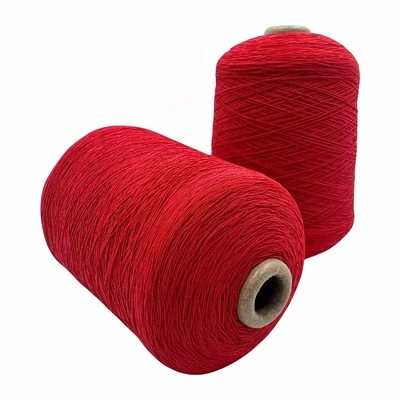
First, let’s start with a quick, no-jargon breakdown of what air covered yarn is, because that context makes it way easier to understand why it works for certain fabrics. ACY is made by wrapping a core yarn (usually elastic spandex, polyester, or polyamide) with a sheath of discrete, textured fiber filaments – cotton, nylon, wool, or acrylic, depending on the end use – then injecting high-pressure air between the core and sheath to fluff up the sheath. The air gets trapped in those tiny gaps, creating a yarn that’s stretchy (thanks to the core) and soft (thanks to the textured sheath). That trapped air is the magic: it insulates, adds softness, prevents the yarn from feeling scratchy against skin, and keeps stretch consistent even after hundreds of washes. Unlike ring-spun yarns or even plain spandex yarns, ACY doesn’t bag out, pill easily, or lose its shape over time – which is why so many industries rely on it for their core fabrics.
Let’s start with the most common, and for me, personally memorable, fabric: activewear and athleisure. Back in 2017, a small boutique yoga brand reached out to me because they were tired of their leggings either being too tight and restrictive during downward dog, or too loose and prone to rolling down after a few wears. They needed a fabric that was stretchy enough for high impact, but soft enough to wear all day, and didn’t pill when washed with other gym clothes. That project required a 78% nylon, 22% spandex ACY, with a micro polyester sheath to add a subtle matte finish and reduce static. Since then, I’ve supplied ACY for everything from compression shorts to moisture-wicking running tops, and it’s become the standard for activewear fabrics for three key reasons. First, the trapped air between core and sheath gives these fabrics a lightweight, breathable feel – perfect for long runs or hot yoga, because the air creates a buffer between skin and fabric that lets moisture escape. Second, the stretch of the spandex core is stabilized by the textured sheath, so the fabric doesn’t lose its shape after repeated stretches and washes. I see too many activewear brands that cut corners with plain spandex yarns, only to have customers complain about saggy kneecaps after a month; ACY eliminates that issue. Third, ACY can be blended with performance fibers like CoolMax or bamboo viscose to add odor-resistant properties, which is a huge selling point for athleisure that’s worn daily. For reference, a 2022 textile industry report noted that over 60% of mid-tier activewear fabrics now use ACY in their construction, a number that’s only grown as brands prioritize long-lasting comfort over disposable fashion.
Next, intimate apparel – lingerie, bras, underwear, and shapewear – is another huge market for ACY, and it’s one where the difference between ACY and regular yarn is really noticeable. A few years ago, I worked with a luxury lingerie brand that was launching a line of seamless wireless bras; their old fabric used a smooth nylon yarn that felt scratchy under the arms and had a tendency to dig in after hours of wear. They switched to a 82% polyamide, 18% spandex ACY with a fine cotton-blend sheath, and the difference was night and day. The textured sheath was soft against sensitive skin, the spandex core provided just enough stretch to hug the chest without digging into the ribcage, and the trapped air meant the bra didn’t feel heavy or clammy even during long work days. Shapewear brands also love ACY because it provides targeted compression without feeling restrictive. Unlike latex or rubber-based shapewear fabrics, ACY stretches and recovers evenly, so it doesn’t leave awkward lines or bunch up when you move. I’ve also seen ACY used in high-end underwear fabrics, especially modal or bamboo-blend ACYs, because they’re breathable and moisture-wicking, which is ideal for daily wear. One thing I tell every intimate apparel brand I work with is that ACY reduces fabric irritation – a top complaint from underwear wearers – because the textured sheath prevents the yarn from pressing directly against skin with every stitch.
Moving on to outerwear, specifically mid-layers and casual winter wear. This is where the insulating properties of ACY really shine. A few years back, a workwear brand that makes cold-weather gear for construction workers reached out because their old fleece mid-layers were too bulky, and their outer linings were prone to tearing. They switched to a polyester ACY for the lining fabric, which is lightweight, insulating, and more durable than regular polyester fleece. The air trapped between the core and sheath acts as a micro-insulator, so the mid-layer keeps workers warm without adding bulk, which is crucial for people who need to move freely on job sites. Even fashion outerwear brands have caught on: I recently supplied ACY for a line of unisex jackets where the shell fabric uses a nylon ACY blend, adding a subtle texture that looks premium, while the inner lining is a cotton ACY that’s soft against the skin. ACY is also used in puffer jackets, especially the inner lining that touches the body, because it’s lighter than goose down and doesn’t clump, and it can be blended with water-repellent fibers for extra protection against light rain. For anyone who’s worn a puffer jacket that feels too stuffy or heavy, that’s usually because it uses solid down or plain polyester – ACY-based outer fabrics solve that problem by balancing warmth and weight.
Knitwear is another big category I can speak to firsthand. For a long time, I thought ACY was only for technical performance fabrics, but I’ve worked with several hand knitting brands and machine knit manufacturers that use ACY for sweaters, cardigans, and even scarves. The textured sheath of ACY gives knits a soft, fluffy hand feel without being fuzzy or shedding, which is a common complaint with acrylic or wool blends. I once supplied a merino wool-spandex ACY to a luxury knitwear brand that wanted sweaters that were warm, stretchy, and didn’t itch. The ACY process wraps the wool sheath around a spandex core, so the sweater has just enough stretch to move with the body, unlike traditional wool knits that can feel stiff. Plus, the trapped air makes these sweaters lightweight enough to wear indoors, so customers don’t have to take off a heavy sweater when they enter a warm room. Machine knitters love ACY too because it runs smoothly on industrial knitting machines, less prone to snags or breaks than plain yarns, which reduces production time and waste. I’ve also seen ACY used for patterned knits, where the textured sheath adds depth to the design, making simple stripes or cables look more premium without extra dyeing or finishing steps.
Technical textiles – a category that includes medical fabrics, automotive upholstery, and even aerospace textiles – might not be the first place you think of for ACY, but it’s a growing market, and one I’m particularly proud to be part of. In the medical field, for example, ACY is used for wound care fabrics and compression bandages. The stretch of the spandex core provides even pressure for healing injuries, while the textured sheath is soft against sensitive skin, which is crucial for patients with open wounds that can get irritated by rough fabrics. Automotive upholstery brands use ACY because it’s durable, stain-resistant, and comfortable – the textured sheath hides minor scratches and scuffs, and the stretch helps the upholstery keep its shape even with repeated use. A few years ago, I worked on a project for a commercial truck upholstery brand that needed a fabric durable enough to withstand constant use, but soft enough for long drives; a polyester ACY blend with a stain-resistant sheath was the perfect solution, and it outlasted their old plain nylon fabric by three times, according to their testing. Aerospace textiles are a newer use for ACY, with aircraft manufacturers using ACY for interior linings that are lightweight, flame-resistant, and provide acoustic insulation – the trapped air helps reduce cabin noise, which is a huge benefit for passengers on long flights.
Now, I want to be transparent with you: ACY isn’t the right choice for every fabric. For very heavy, structural fabrics like denim or canvas, ACY is too soft and stretchy to hold up to the tension needed for those materials. For sheer fabrics like chiffon or voile, the textured sheath of ACY would be too bulky, making the fabric look opaque or heavy. But for the fabrics we’ve talked about – activewear, intimate apparel, outerwear linings, knitwear, technical textiles – it’s become a go-to material because it solves real problems that manufacturers and consumers face.
From my perspective as an ACY supplier, the biggest shift I’ve seen in the last five years is that brands are moving away from disposable, low-quality fabrics to materials that last, and ACY is perfectly positioned for that. It’s not a trendy material that will fade in a season; it’s a practical, versatile yarn that improves the function and feel of almost any fabric it’s used in. If you’re a fabric manufacturer, brand owner, or even a custom knitter who’s looking to upgrade your fabrics, ACY is worth testing – whether you’re making a new line of leggings, a soft sweater, or a durable work lining.
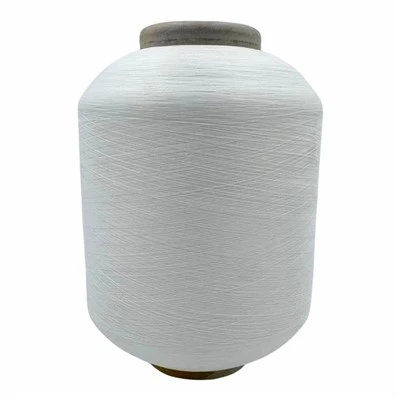
If you’re interested in learning more about how ACY can work for your specific fabric project, or want to discuss custom blends, production timelines, or sample orders, feel free to reach out to our team to connect and chat through your needs. We’re here to help you find the right ACY solution for your fabrics, no matter the scale of your project.
Nylon Covered Yarn References
Textile Institute. (2022). Global Air Covered Yarn Market Trends and Applications. The Textile Institute.
Lee, S., & Park, J. (2021). Performance Characteristics of Air Covered Yarn-Based Fabrics for Activewear. Journal of Textile and Apparel, Technology and Management.
American Association of Textile Chemists and Colorists. (2020). Test Methods for Stretch and Recovery of Elastic Yarns. AATCC.
European Textile and Clothing Confederation. (2023). Sustainable Materials in Modern Apparel Manufacturing. Euratex.
Zhuji Yuanhui Import & Export Co., Ltd.
Zhuji Yuanhui Import & Export Co., Ltd. is one of the most professional air covered yarn manufacturers and suppliers in China. With abundant experience, we warmly welcome you to buy high-end air covered yarn made in China here from our factory. If you have any enquiry about quotation and free sample, please feel free to email us.
Address: No.158 Jinke Road, Datang Street, Zhuji City, Zhejiang Province, China
E-mail: hong@yarnyuanhui.com
WebSite: https://www.yarnfty.com/
