Hey everyone, it’s Jake here, and today we’re diving into a question I get at least a dozen times a week from both hobbyist mechanics and shop owners alike: OEM vs aftermarket timing belts—should you go with one or the other? As someone who’s been in the timing belt game for 12 years (yep, I’ve forgotten more about these belts than most folks will ever learn), I’ve seen both the wins and the disastrous fails from choosing the wrong option. So let’s cut through the jargon, skip the sales fluff, and break this down like we’re geeking out over a car build in the garage. Timing Belt
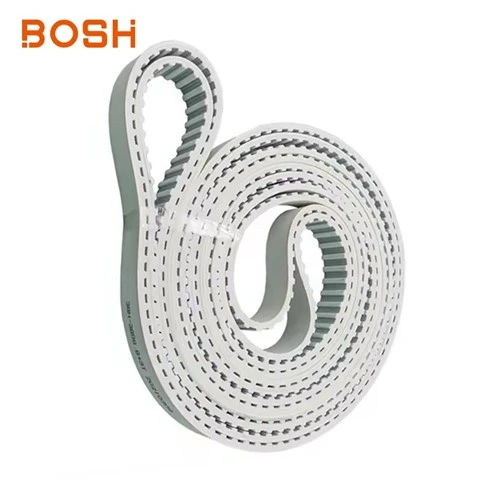
First, let’s get one thing straight: a timing belt isn’t just a rubber loop that spins two pulleys. It’s the unsung hero of your engine’s valve train. If it snaps while the engine’s running (usually around 60k–100k miles, depending on the car), you’re looking at bent valves, cracked pistons, and a bill that’ll make you want to sell your firstborn. So whatever you pick, it needs to hold up to that kind of pressure. That’s where OEM and aftermarket options come in, but they’re not interchangeable—let’s get into the nitty-gritty.
What’s OEM, Anyway?
OEM stands for Original Equipment Manufacturer, right? That means it’s the exact belt your car came with from the factory. The same company that built your Honda, Ford, or Toyota didn’t make the timing belt themselves—they contracted out to a specialty manufacturer (like Continental or Gates, two big names that do both OEM and aftermarket) to produce it to their super-specific specs.
Here’s the real tea with OEM: every single part of that belt is calibrated for your exact engine. The rubber compound is mixed to withstand the heat, oil, and vibration only your engine puts out. The tooth profile is carved so it locks perfectly with your camshaft and crankshaft pulleys—no slipping, no misalignment. Even the polyester cords inside are twisted to handle the tension that’s unique to your car’s design.
I’ve seen a guy once skip an OEM replacement on his 2008 Subaru, go with a no-name aftermarket, and the belt slipped just enough that his valves collided. He ended up with a engine rebuild that cost him $4,500. That could’ve been avoided if he’d stuck with OEM, or at least a high-grade aftermarket. Now, OEM’s not perfect—one downside is that it’s usually the priciest option, and sometimes you have to wait a few days for it to ship, especially for older cars that are out of production. Also, some parts stores will markup OEM like it’s a luxury item, so you’re paying for the brand name as much as the belt itself.
Aftermarket: It’s Not Just “Cheap Junk”
Now, aftermarket timing belts—this is where a lot of people get the wrong idea. They see “aftermarket” and assume it’s cheap, low-quality junk made in a garage somewhere. But that’s not true anymore, especially for the reputable aftermarket brands. There are two types of aftermarket timing belts: value-grade and performance-grade.
Value-grade is the budget option. It’s made with cheaper rubber, thinner cords, and might not have the exact tooth profile your engine needs. I’ll be honest—this is the one I tell hobbyists to skip, unless they’re working on a beater car they don’t care about. I’ve had a customer put a value aftermarket belt on his 1998 Civic, and it wore out at 35k miles—way before the 60k mile replacement interval. That’s a hassle, and it’s risky.
But performance-grade aftermarket? That’s where things get interesting. Brands like Gates’ PowerGrip, ContiTech’s Aftermarket Series, or Dayco’s Premium lines test their belts to meet or exceed OEM specs. They use the same quality rubber, better cord technology, and sometimes even offer improvements—like heat-resistant compounds for cars that run hotter than stock, or reinforced teeth for high-performance builds. For example, if you’re swapping a turbo into a Honda Civic, a performance aftermarket belt might hold up better than the OEM one under the extra tension.
The big upside of aftermarket is price. Performance-grade is usually 20–30% cheaper than OEM, and it’s often in stock at local parts stores, so you can get your car back on the same day. I work with a lot of indie mechanics who swear by performance aftermarket belts for regular replacements—they’re reliable, save the customer money, and have a way better track record than the no-name stuff. The catch? You have to make sure you’re buying from a reputable brand, not some random off-brand on Amazon that’s $20 cheaper. I’ve seen those off-brand belts have mismatched teeth that slip, or rubber that cracks after a few months in the sun.
The Real Trade-Offs: When to Pick Which
Let’s make this actionable, not just a list of pros and cons. Here’s how I break it down for different scenarios:
-
For Daily Drivers With Under 100k Miles: If you’re driving a 2015+ car with low mileage, stick with OEM or a top-tier performance aftermarket. Wait—why? Newer cars have more precise engine designs, and a small mismatch in the aftermarket belt’s tooth profile can cause long-term wear. I had a 2017 Toyota Corolla come in where the mechanic used a budget aftermarket belt, and the engine ran rough for two months before the teeth wore down and slipped. OEM’s calibration is just too perfect for newer engines.
-
For Older Cars (10+ Years) or Beaters: This is where aftermarket shines. If your 2002 Camry is your only car, and you don’t want to drop $500 on an OEM replacement when a $120 performance aftermarket works, go for it. Just make sure it’s a big brand—Gates, ContiTech, Dayco. I’ve installed performance aftermarket belts on 20-year-old Escorts and Civics that have lasted 80k+ miles without a hitch, way beyond their recommended interval.
-
For Performance Builds or Heavy Loads: If you’re tuning your car for more horsepower, or you use your van for hauling heavy stuff, a performance aftermarket belt is actually better than OEM. OEM is made for stock conditions, but performance belts are reinforced to handle extra tension and heat. I recently did a swap on a Mustang where the OEM belt kept snapping at higher RPMs, and a performance aftermarket belt fixed the issue completely.
-
For Rare or Out-of-Production Cars: If you’ve got a 1979 Porsche 911 that’s a showpiece, go OEM. You can find NOS (new old stock) OEM belts, and the peace of mind that comes with matching the exact part that came with the car is worth it. Aftermarket for rare cars might not have the right specs, and a bad belt could ruin a $20k show car.
Common Myths I Need to Kill
Let’s clear up some stuff I hear all the time, because it’s wrong:
- Myth 1: “OEM always lasts longer.” Nope. I’ve seen aftermarket performance belts last just as long as OEM in real-world use, and sometimes longer if you’re dealing with a high-vibration engine. It’s all about the brand, not the label.
- Myth 2: “Aftermarket is cheaper, so it’s worse.” Again, no. The value-grade is cheap and worse, but performance aftermarket is a better value than OEM for most cases. You’re not sacrificing quality—you’re just not paying the OEM markup.
- Myth 3: “If it fits, it works.” Wrong. A belt might look like it fits, but if the tooth pitch is off by even a millimeter, it’ll slip, wear out fast, or break. That’s why sticking to OEM or a top aftermarket brand that matches the exact part number is non-negotiable.
What I Do As a Timing Belt Supplier
Look, I’m biased here, but I’m not gonna sell you something that’ll break in 10k miles. Most of the parts we carry are performance-grade aftermarket from the big three (Gates, ContiTech, Dayco) because they balance quality and cost better than OEM. But if a customer specifically asks for OEM for their new car, I’ll hook them up with that too. The key is matching the belt to the car, the usage, and the budget—not just pushing the most expensive option.
I’ve had mechanics come to me after a bad experience with a no-name aftermarket belt, and they’re scared to try aftermarket again. My advice? Skip the $20 no-name, grab a $120 Gates, and you won’t regret it. I’ve installed thousands of these, and the only fails I’ve seen were from off-brand stuff.
Final Thought
At the end of the day, choosing OEM vs aftermarket timing belts isn’t about one being “better” overall—it’s about your situation. If you’ve got a new car, stick with OEM for that perfect fit. If you’ve got an older daily driver or a performance build, go with a reputable performance aftermarket to save cash without sacrificing reliability. Just skip the budget no-names—they’re not worth the risk.
Cogged V Belt If you’re not sure which one fits your car, or you need help picking a belt that’ll hold up, hit me up. We can talk through your specific engine, your driving habits, and what’s gonna work best for you. No pushy sales stuff, just straight-up advice from someone who’s spent way too many hours in the garage replacing timing belts. Let’s get your car running right without breaking the bank.
References
- Society of Automotive Engineers (SAE) International. (2022). Timing Belt Design and Performance Standards for Automotive Engines.
- Gates Corporation. (2023). Automotive Timing Belt Application Guide: OEM vs. Aftermarket Comparison.
- ContiTech AG. (2021). Materials Science for Automotive Belts: Rubber Compounds and Tension Resistance.
- National Institute for Automotive Service Excellence (ASE). (2022). Engine Timing System Replacement Best Practices.
Xingtai Boshuo Auto Technology Co., Ltd.
Xingtai Boshuo Auto Technology Co., Ltd. is one of the most professional timing belt manufacturers and suppliers in China, featured by quality products and low price. Please rest assured to wholesale bulk customized timing belt made in China here from our factory. Welcome to contact us for pricelist and free sample.
Address: No. 58 Quannan East Street, Xiangdu District, Xingtai City, Hebei Province
E-mail: sherry1@bs-belt.com
WebSite: https://www.bsbelts.com/
