If you’ve ever shipped goods internationally, you’ve probably heard of US LDP fast ocean freight — and if you’re a business owner sourcing products from overseas, you’ve likely wondered how much of this service is actually regulated by the US government. As someone who runs a US LDP fast ocean freight provider, I get this question all the time. It’s not just about keeping prices fair either; it’s about making sure your shipments don’t get stuck in customs, hit with unexpected fines, or derailed by rules no one told you about. Let’s break this down simply, no jargon, straight from the front line. US LDP Fast Ocean Freight
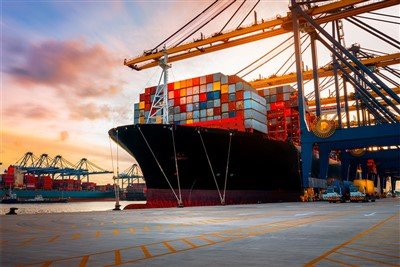
First, let’s clarify what US LDP fast ocean freight even is, because half the confusion comes from mixing up acronyms. LDP stands for “Landed Duty Paid” — that means when you book a shipment with us, the price you see upfront covers the ocean transport, customs clearance at your US port, all duties, taxes, and even delivery to your warehouse. Fast ocean freight here isn’t the super slow, 60-day trans-Pacific service that some legacy carriers push; it’s the 12–18 day option that cuts time without the sky-high cost of air freight. So it’s sweet spot for small to mid-sized businesses that don’t want to wait months and can’t afford to pay air rates.
Now, the big question: is this LDP fast ocean service regulated by the government? The short answer is yes, but not as heavily as air freight or international passenger travel. Wait, let’s get specific. Most of the regulations apply to the carriers and freight forwarders, not the end customer — but that doesn’t mean you, the person shipping, don’t have to follow a few rules too.
Let’s start with the US Federal Maritime Commission (FMC) — that’s the main federal body in charge of ocean shipping here in the States. If you use a freight forwarder or an ocean carrier for your LDP shipment, they have to be registered with the FMC, period. No exceptions. Why? Because back in the 1980s, there was a lot of garbage in ocean shipping: hidden fees, carriers cutting corners on customs, forwarders vanishing with customers’ money. The FMC was created to stop that. So if you’re working with a legitimate US LDP fast ocean freight provider (hello, that’s us), we’re bonded, registered with the FMC, and have to follow their rules around pricing transparency. We can’t hide surcharges, we have to disclose all fees upfront, and we’re legally responsible for making sure your shipment clears customs correctly. That’s regulation right there, and it’s a good thing — it keeps scammers out.
But what about the actual LDP part of the service? The “Duty Paid” part has its own rules, mostly from US Customs and Border Protection (CBP). When we take on LDP, we’re acting as your authorized agent for duty payment, right? But we can’t just pay duties willy-nilly. We have to file a correct commercial invoice, a bill of lading, and a customs declaration with CBP, all with accurate product descriptions, values, and country of origin. If you lie about what you’re shipping (say, marking a $1000 laptop as a $500 accessory to avoid duties), that’s your fault — but we still have to flag it, per CBP rules. We can’t process a false declaration, so that’s a regulation we have to follow to keep our license. There are also rules around restricted items: if you’re shipping something hazardous, like lithium batteries or certain chemicals, we have to follow FMC and International Maritime Organization (IMO) rules for packaging and labeling, or your shipment gets held at the port. No exceptions, even for fast freight.
Wait, but here’s a common myth: a lot of people think LDP fast ocean is unregulated because it’s “just a service” — no, not at all. What’s different is that fast ocean freight sometimes uses dedicated containers, not shared ones, which means the FMC has specific rules about how those containers are booked and priced. Legacy slow ocean uses shared containers, so prices fluctuate more, but fast ocean’s dedicated services have stricter caps on certain fees to prevent carriers from gouging customers who need speed. I’ve seen carriers try to add a “fast lane surcharge” out of nowhere, but if they’re FMC-registered, that surcharge has to be disclosed before you book — that’s regulation working for you.
Now, let’s talk about how this affects you, the shipper. If you use an unregistered provider (and I’ve heard too many horror stories of small businesses doing this to save a few bucks), you’re on your own. No FMC protection, no guarantee your shipment will clear customs, and if something goes wrong (like the provider vanishes with your goods), there’s no one to file a claim with. That’s why regulation matters here. For legitimate US LDP fast ocean freight providers, like us, we have to carry bond insurance, which means if we mess up and your shipment is held up due to our error, you can get compensated — that’s a direct result of FMC rules.
But it’s not all red tape. A lot of regulations are actually designed to make fast ocean freight more reliable. Think about it: when your shipment is moving fast, delays at customs are the worst. CBP has specific rules for expedited cargo, which means we have to file your paperwork 72 hours before the ship arrives, not when it docks. That’s a regulation, but it cuts down clearance time from 3 days to 4 hours — so your goods get to you faster. If there were no rules around expedited cargo, carriers would prioritize slow, low-freight shipments over fast ones, and your LDP fast service would be just as slow as the cheap stuff.
Wait, let’s get into a real example from our business. Last year, a small boutique selling handmade clothing from India came to us after a bad experience with a random forwarder. They’d booked fast ocean LDP, paid upfront, and their shipment was held for 10 days because the forwarder forgot to declare the fabric content (a CBP requirement for textiles). The forwarder wasn’t FMC-registered, so when they complained, no one helped. With us, we follow FMC rules: every shipment is assigned a compliance specialist who checks all documentation before it leaves the origin port, so that mistake never happens. That’s regulation working for our customers, even if you don’t see it.
Now, are there gaps in the regulation? Absolutely. A big one is that fast ocean freight rates are still subject to market fluctuations, and while the FMC tries to stop price-gouging during peak times, it’s not perfect. During the 2021 supply chain crunch, some carriers were charging 3x the normal rate for fast ocean, and while the FMC launched investigations, they couldn’t cap prices because ocean shipping is considered a “competitive market” under federal law. That’s a flaw, but it doesn’t mean the service is unregulated — it just means the rules are designed to prevent fraud, not set prices.
Another common question: what about free trade agreements (FTAs)? If you’re shipping from a country with a US FTA, like Mexico or Canada, you can get reduced duties, but you have to prove the goods meet the origin rules. Our team has to file a Certificate of Origin with CBP to claim those savings, and if we mess that up, you lose the discount. That’s another regulation — it’s about making sure countries don’t dump cheap goods on the US, so it’s not just arbitrary paperwork.
Let’s also clear up a myth about “fast ocean” vs regular ocean. Regular ocean (slow, 6+ weeks) is regulated the same way as fast ocean — both fall under FMC rules — but fast ocean has extra layers because it’s a premium service. For example, fast ocean shipments often use express rail to get from the port to the warehouse, and that rail service is regulated by the Surface Transportation Board (STB) as well, so we have to follow their rules for cross-modal transport. That’s not a loophole, that’s just how interconnected international shipping is.
So, putting this all together: US LDP fast ocean freight is definitely regulated, but not in a way that makes it a hassle for legitimate businesses. The regulations are there to protect you from scammers, ensure your goods clear customs on time, and prevent carriers from taking advantage of people who need fast, reliable shipping. As a provider, we don’t see regulation as a burden — it’s what makes our service trustworthy.
Now, what does this mean for you if you’re thinking about booking a US LDP fast ocean shipment? First, make sure your provider is FMC-registered (you can look them up on the FMC website, but if they’re legitimate, they’ll display their FMC number on their site). Second, ask for a full breakdown of all fees before booking — no hidden “fast lane” or “clearance” fees. Third, if a deal seems too good to be true, it probably is: unregistered providers often cut corners on compliance, leading to delays or fines.
At the end of the day, the goal of US LDP fast ocean freight is to give small and mid-sized businesses the same flexibility that big corporations have, without the complexity of international shipping. And the regulations that govern this service are what keep that fair. We’ve built our business on being transparent, FMC-compliant, and making sure our customers’ shipments get where they need to go fast — no surprises, no headaches.
If you’re ready to book a shipment or have more questions about how our US LDP fast ocean freight works, feel free to reach out and start a conversation. We’re here to break down the process, answer your specific questions, and make your next international shipment as smooth as possible.
US FBA Air Freight References
Federal Maritime Commission. Ocean Shipping Reform Act of 2022.
U.S. Customs and Border Protection. LDP Shipment Guidelines.
Federal Maritime Commission. FMC Regulations for Ocean Freight Forwarders.
International Maritime Organization. International Code for the Safe Carriage of Packaged Dangerous Goods by Sea.
Tuoyuan International Logistics Co., Ltd.
As a professional China-USA logistics provider, we offer US LDP fast ocean freight service for FBA and commercial shipments. If you’re going to know more about customized US LDP fast ocean freight service, welcome to contact us for the pricelist. Good service and reasonable price are available.
Address: 1st Floor, Building 5, No.37, Jingshan Road, Beiyuan Street, Yiwu City, Jinhua City, Zhejiang Province, China
E-mail: info@topyounglog.com
WebSite: https://www.top-younglog.com/
