Hey folks, if you’ve ever ordered food-grade mylar bags for long-term storage, stashed away craft supplies, or stocked up on emergency preps, you’ve probably seen that little desiccant packet included in most kits. And if you’re like a lot of people I talk to, you’ve wondered: “Wait, do I actually need this desiccant with my mylar bags? Or is it just a useless add-on that’s a hassle to toss?” As a mylar bag supplier who’s been working with these pouches for almost a decade, I get why this question comes up all the time—so let’s break it down without the boring science jargon, promise. Mylar Bags
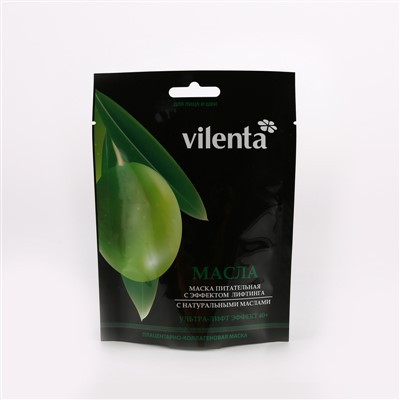
First, let’s keep it simple: Mylar bags are awesome for blocking moisture, right? They’re made of polyethylene terephthalate (PET, but no need to memorize that) with a super tight, non-porous layer that doesn’t let water vapor seep in easily. Wait, hold on—“easily” is the key word here. Nothing is 100% impermeable, not even mylar. Over time, tiny amounts of moisture can make their way through, especially if you’re storing bags in a super humid spot—like a basement without a dehumidifier, or a garage in a tropical climate where humidity hits 80%+ year-round. That’s where desiccants step in. They’re not just a marketing gimmick; they’re the backup that catches any stray moisture before it messes with your stored stuff.
But let’s split this into two parts, because the answer isn’t a flat “yes” or “no”—it depends on what you’re storing and where you’re storing it. Let’s start with when you absolutely need desiccants with your mylar bags. If you’re keeping food—especially dry goods like rice, beans, flour, or even freeze-dried meals—desiccants are non-negotiable for long-term storage (think 5+ years). Here’s why: Dry foods have a tiny bit of inherent moisture already, even if they feel totally dry to the touch. Like, white rice usually has around 12-14% moisture content. If that goes over 15%, mold starts to grow, and bugs (weevils, moths) love that slightly damp dry food too. A desiccant—usually silica gel, or sometimes calcium oxide—absorbs excess moisture to keep that level below the threshold, even if a little vapor creeps through the mylar. I’ve seen it happen firsthand: A customer stored 5-gallon mylar bags of beans in their dry, cool kitchen without desiccants, and two years later, there were tiny weevils. When they added desiccants to a test batch, the same beans stayed bug-free and dry for 8 years. That’s not a fluke.
Another big one: If you’re storing items that are sensitive to moisture, not just food. Things like camera lenses, vintage vinyl, craft resin, electrical parts, or even seed packets. Seeds, for example, lose viability way faster if there’s any extra moisture—so desiccants in mylar bags for seed storage aren’t just helpful, they’re how you keep seeds germinable for 2+ years. Last year, a local urban farm reached out to us because they’d lost half their tomato seed stock to mold; we suggested adding 500cc desiccants per 5-gallon mylar bag, and that batch stayed viable the next season with zero issues.
Now, when can you skip the desiccants? It’s not as often as you might think, but there are a couple scenarios. First, if you’re using mylar bags for short-term storage—like keeping something for less than a month, in a low-humidity spot (like a climate-controlled apartment with AC, where humidity is under 50%). I once had a customer who stored a bag of holiday cookie mix in a mylar bag for 3 weeks before using it, no desiccant, and it was fine. But that’s only for super short timelines. The other exception? If your mylar bags are already lined with a desiccant layer—wait, do some mylar bags have that? Yeah, a lot of commercial food-grade mylar bags now have a moisture-blocking inner layer that’s already infused with a small amount of desiccant, so you don’t need to add extra. But make sure you check that—don’t just assume! A lot of cheap bulk mylar bags don’t have that built-in feature, so always confirm with your supplier if you’re unsure.
Wait, but let’s clear up a common myth: Some people think desiccants are only for oxygen absorbers, but no—they’re totally different. Oxygen absorbers suck out air (which is how you kill bugs, by the way), and desiccants suck out moisture. They work best together, actually. If you use an oxygen absorber without a desiccant, and a little moisture gets in, that oxygen absorber can become less effective over time because it’s got moisture on it. Using both? That’s the sweet spot for long-term storage. I tell all my regular customers to stock up on both when they order mylar bags—we even have combo packs now, because so many people ask for it.
Another question I get: “How much desiccant do I actually need, if I do use it?” That’s another thing people get wrong. Using too little? It won’t do anything. Using too much? It’s a waste. The rule of thumb we use at our shop is: For small mylar bags (1-quart or less), use a 10cc desiccant. For 1-gallon bags, 50cc. For 5-gallon mylar bags (the most popular bulk size), use 500cc. If you’re storing super moisture-heavy items? Wait, no—dry items only, right? If you have something a little damper, like dehydrated fruit, you might bump up to 750cc for a 5-gallon bag. I’ve had customers who tried using 100cc in a 5-gallon bag and said they still noticed a tiny bit of condensation after a year, so that math checks out.
Wait, let’s talk about real mistakes I’ve seen, because that’s what this blog is for. A few months back, a guy came to us with a bunch of mylar bags full of his homebrewing hops. He’d forgotten to add desiccants, and after 6 months, the hops were clumpy and had lost all their alpha acids (the stuff that gives beer its bitterness). He asked if he could salvage them, but nope—once moisture hits hops that hard, it’s game over. If he’d just added a 500cc desiccant to that 5-gallon mylar bag, those hops would’ve stayed fresh for 2 years, easy. That’s the kind of small mistake that costs people money, and it’s totally avoidable.
Also, don’t reuse desiccants, right? Wait, can you? Some people bake them in the oven to reuse, but honestly, for most people, it’s not worth the hassle. If you’re storing food or seeds, desiccants are cheap enough that buying new ones is easier, and you don’t have to risk any leftover bacteria or moisture from a baked desiccant. For non-food items, maybe, but again—why chance it?
Now, let’s circle back to the mylar bag itself. If you’re using a low-quality mylar bag that’s thin (like 1.5 mil) instead of the food-grade 5-7 mil we sell, that’s a problem too. Thin mylar is way more porous, so moisture can seep through faster, even if you have a desiccant. So it’s not just about the desiccant—it’s about matching the mylar bag to your storage needs. If you’re going for long-term, get thick, food-grade mylar, and pair it with the right desiccant. If you’re doing short-term, thin mylar might be fine, but still keep humidity in mind.
Wait, what about when you heat-seal the mylar bag? That’s super important, too. If you don’t seal the bag all the way, desiccants won’t help at all, because moisture can get in through the top seal. I’ve had customers who said “desiccants don’t work!” only to realize they sealed their mylar bags with a hair iron instead of a proper heat sealer, so the seal was full of gaps. A proper heat sealer—especially one that crimps the top tight—seals the mylar so no moisture or air gets in, which makes the desiccant do its job way better. That’s another small detail people overlook.
So let’s sum this up, plain and simple: Do mylar bags need desiccants? If you’re storing dry goods (food, seeds, craft supplies) for more than a few months, in a humid area, or in 5-gallon bulk mylar bags—yes, you definitely need desiccants. If you’re doing short-term storage in a super dry climate, you can get away without, but it’s still not a bad idea to toss a desiccant in just to be safe. And always make sure you’re using the right size desiccant, sealing the bag properly, and using a thick enough mylar bag for your timeline.
As a supplier, I’m not here to push extra products on people who don’t need them. I’d rather tell it like it is—save you money by not making you buy unnecessary stuff, but also save you from the hassle of ruined stored items by recommending the right add-ons. If you’re not sure what size mylar bags you need, or how much desiccant to pair with them, just reach out. We’ve helped hundreds of customers figure out their storage setups, from preppers to small bakeries storing bulk flour to urban gardeners saving seeds. No stuffy sales pitch, just straight answers. If you’re ready to stock up on mylar bags and pair them with the right desiccants for your needs, feel free to get in touch to chat through your project. You can count on us for honest advice, not just a hard sell.

Before I wrap this up, I should add one last quick note: I’ve tested this myself, in our warehouse, over the years. We did a side-by-side test last year: 5-gallon mylar bags of white rice, one with desiccant, one without, stored in a humidity-controlled room at 75% humidity. After 12 months, the one without desiccant had 16% moisture content (just over the mold threshold) and a few tiny weevils. The one with a 500cc desiccant was at 12% moisture, totally dry, no bugs. That’s not a marketing stat—that’s real data from our shop. So it’s not just a guess; it’s proven.
Packaging Roll Film References:
- Food and Agriculture Organization of the United Nations. (2019). Dry Food Storage: Moisture Requirements for Long-Term Preservation. Rome: FAO.
- American Chemical Society. (2021). Mylar Film Properties for Barrier Applications. Washington, DC: ACS Publications.
- International Seed Testing Association. (2020). Seed Storage Guidelines for Viability Retention. Bassersdorf, Switzerland: ISTA.
- USDA Agricultural Research Service. (2018). Desiccant Use in Food Storage Packaging. Beltsville, MD: USDA ARS.
Shenzhen Hongbang Packaging Production Co., Ltd.
We are one of the most experienced mylar bags manufacturers and suppliers in China, specialized in providing high quality custom service. Please feel free to buy bulk mylar bags made in China here from our factory. For quotation and free sample, contact us now.
Address: Room 601, BLDG D, Wisdom Centre, No. 58 Nanlian Road, Longgang, Shenzhen China 518116
E-mail: pm@hongbangpack.com
WebSite: https://www.hongbangpack.com/
