If you’re reading this, odds are you’ve been staring at your Atlas Copco compressor dashboard for way too long, doing a double take at that cooler pressure number way higher than it’s supposed to be, and wondering if this is going to turn into a huge headache. I get it—been there, because I’m the guy behind a supplier that works specifically on Atlas Copco compressor coolers, so this is my bread and butter. Let’s break this down like we’re chatting over a coffee instead of sitting in a stuffy conference room, no overly technical jargon that’ll make your eyes glaze over. Atlas Copco Compressor Cooler

First off, let’s get one thing straight: cooler pressure that’s spiking isn’t just a random blip. It’s a sign something’s off in the system, and ignoring it can lead to all kinds of mess—from reduced compressor efficiency to overheating parts that start wearing out faster than they should. I’ve seen clients brush this off once or twice, and trust me, by the time they call panicking about a shut-down production line, it’s way more expensive than fixing the root cause early. So let’s dive into the most common culprits, all backed by how Atlas Copco systems are built, since that’s our exclusive focus here.
Let’s start with the most straightforward one: clogged cooler cores. This is by far the number one issue we see with Atlas Copco units, whether they’re air-cooled or water-cooled. Think about what your compressor’s cooler is doing: it’s pulling all the hot compressed air or oil that’s circulated through the system and dumping that heat out into the surrounding air (for air-cooled) or transferring it to water (for water-cooled). But over time, dirt, dust, oil residue, even tiny metal shavings from regular wear get stuck in those super-finny cooling fins or inside the tube stacks. For air-cooled units, if the fins get caked in grime, air can’t flow through properly to carry away heat. That buildup makes the cooler work way harder to get rid of the same amount of heat, which pushes the internal pressure up because the system can’t dissipate heat fast enough. For water-cooled ones, mineral deposits from hard water get inside the tubes, forming a scale barrier that blocks water flow, same exact problem—heat gets trapped, pressure spikes. I had a client last month with a GA 7 Atlas Copco unit, ran 24/7 for a packaging plant, and when we checked, the cooler fins were so covered in sawdust and packaging lint that you could barely see the metal. Their pressure was 15 PSI over the rated 85 PSI, fixed just by pressure washing the core and doing a quick inspection—took us 90 minutes, no downtime. Crazy how simple that fix is when you catch it early.
Next up: airflow restrictions, specifically for air-cooled Atlas Copco compressors, which are super common in manufacturing and workshops. It’s not just the cooler core fins—check the fans too. If the fan belt is slipping (they stretch over time, right?), or the fan motor is dying, or there’s something blocking the fan (like a loose piece of plastic, or even a stack of boxes someone left too close to the unit), that fan can’t pull enough air through the cooler. Even a small blockage can mess with airflow enough to push cooler pressure up. I also see this with ducting—if someone modified the ductwork around the compressor to route air out of the building, maybe they crimped the duct or used a duct that’s way too small, that limits airflow, same issue. For water-cooled units, the flip side is water flow restrictions: maybe the inlet or outlet valves are partially closed, or the water filter is clogged, so not enough coolant is moving through the cooler to carry heat away. Atlas Copco designs their water lines with specific flow rates, so even a 20% drop in flow can make pressure jump 10-15%—we test that all the time when we replace coolers for clients.
Another big one: incorrect pressure settings or mismatched components. Wait, hear me out—sometimes it’s not a broken part, it’s something that got changed or installed wrong. A lot of clients will swap out a compressor part or adjust settings without realizing how it ties to the cooler. For example, if you set your compressor’s discharge pressure higher than the manufacturer’s recommendation (Atlas Copco usually rates their units for 100-125 PSI max, depending on the model), the cooler has to handle that higher pressure, and if it’s not sized for it, that’ll cause a spike. Or if you replaced a cooler with an aftermarket part that’s not a genuine Atlas Copco fit—we see that a lot, guys. Some off-brand coolers have thinner tubes or smaller fin spacing, so they can’t handle the system’s pressure, leading to overpressurization. I had a guy call me last year complaining his cooler pressure was through the roof, and when we pulled the old cooler out, it was a no-name replacement he bought online that was 20% smaller than the genuine Atlas Copco GA 11 cooler he needed. Swapped it for the right OEM spec part, pressure was back to normal in an hour. Also, check the pressure relief valve on the cooler itself—if that’s stuck closed or calibrated wrong, it can’t vent excess pressure, so numbers climb. That’s a quick check you can do without even removing the cooler: just lift the test lever (carefully, it’ll release hot air or water) and see if pressure drops, if it does, your relief valve is the issue.
Then there’s oil contamination or oil buildup in the cooler. Atlas Copco compressors use a specific type of oil for lubrication and cooling, right? But over time, if the oil isn’t changed on schedule, or if there’s a leak in the oil separator, that dirty oil can get into the cooler. Oil forms a thin, sticky film on the core’s fins or tubes that acts like an insulator—heat can’t transfer through it, so the system has to work harder, pressure goes up. It’s not as obvious as dust, because oil is sticky so it holds more grime, making the problem worse faster. We do a chemical flush when we service coolers a lot for this exact issue—break down the old oil residue, flush it out, and that restores heat transfer. I once had a quarry client with a GA 75 unit that ran in a dusty, high-heat environment, oil change schedule slipped by 3 months, their cooler pressure was 30 PSI over normal. Turned out the oil was full of metal shavings and carbon deposits, coating the cooler core. Flushed the system, changed the oil, replaced the oil separator element, pressure was back to spec. That’s a good reminder: cooler health is tied directly to the rest of your compressor’s maintenance, not just the cooler itself.
Wait, should we talk about ambient conditions? Yeah, that’s a lot more common than people think, especially if your compressor is installed in a space that’s too hot. If the room temperature around the compressor is higher than Atlas Copco’s recommended max (usually 104°F / 40°C, give or take depending on the model), the cooler has to dump heat into even hotter air, so it can’t do its job as well. That’ll cause pressure to spike temporarily, but if the ambient temp stays high, it can lead to constant overpressure. I’ve had clients install compressors in a cramped utility closet with no ventilation, and when we moved the unit to a spot with proper air flow, their cooler pressure dropped 10 PSI automatically. It’s not a cooler issue, it’s a location issue, but it still presents as high cooler pressure, so it’s worth ruling out. Also, for air-cooled units, if the unit is getting direct sunlight all day, that heats up the incoming air going into the cooler, same effect—pressure creeps up.
Now, let’s talk about how to tell the difference between a minor issue and something that needs immediate attention, since you don’t want to waste time or cause damage. First, check your system’s specs: every Atlas Copco unit has a sticker somewhere on the compressor that lists the rated cooler pressure (usually labeled on the cooler itself too). If your number is more than 5-10% over that, that’s a red flag. If it’s a small, temporary spike after a filter change or a hot day, that might just be normal, but if it’s steady high, dig in. Start with the easy checks first—no need to take the cooler apart right away. Go look at the fins (if air-cooled) or check the inlet/outlet valves (water-cooled), make sure nothing’s blocking the fan, check the relief valve. Those are all 10-minute checks that can save you a ton of hassle.
And here’s the thing: even if you fix the problem temporarily, ignoring root causes will lead to repeat issues. Clogged coolers will lead to cracked fins or tubes from overpressure, which means you’re replacing the whole cooler instead of just cleaning it. Restricted airflow will make fans burn out, which leads to more pressure spikes. That’s why working with a supplier that specializes in Atlas Copco coolers is so important—we know every model, every common failure point, and we can make sure whatever part or service you get is a perfect fit.
Wait, let’s be real—most people aren’t compressor experts, and troubleshooting this stuff can feel overwhelming. You don’t want to be a DIY hero and mess something up, leading to downtime that costs you thousands. If you’re seeing that high cooler pressure, and you’ve checked the basics (filters, fan, valves, ambient temp) and it’s still high, it’s time to call in someone who knows Atlas Copco coolers inside and out.
I get it, you’re busy keeping your operations running, and a compressor issue can throw everything off. That’s why our team works specifically on Atlas Copco compressor coolers—we don’t waste time on other brands, so we know exactly what works, what parts fit, and how to get your system back to normal fast, with no downtime. Whether you need a quick cleaning, a replacement cooler that meets Atlas Copco’s OEM specs, or a full diagnostic to track down that persistent pressure spike, we’re here to help. No guesswork, no off-brand junk, just straight-up solutions that work.
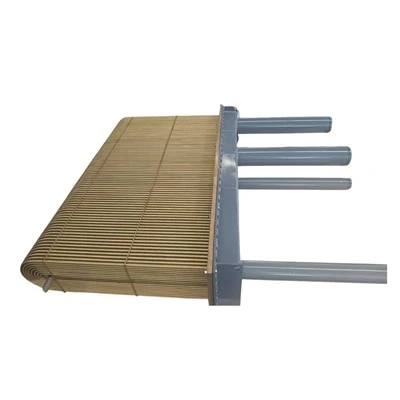
If you’re tired of dealing with that annoying high cooler pressure, or you’re not sure what’s causing it, reach out to us. We can walk you through quick checks over the phone, or send a tech out to your site to take a look. Don’t let a small cooler issue turn into a big, expensive headache—get it sorted now.
Thermal Generator Cooling References:
Atlas Copco Compressor Technical Manuals: Cooler Pressure Specifications and Troubleshooting Guidelines, 2022
Compressor Cooler Maintenance Best Practices, Industrial Refrigeration and Compression Association, 2021
Atlas Copco Genuine Parts Compatibility Guide, 2023
Changzhou Vrcooler Refrigeration Co., Ltd.
Changzhou Vrcooler Refrigeration Co., Ltd. is one of the most professional atlas copco compressor cooler manufacturers and suppliers in China, specialized in providing high quality aftermarket service. Please rest assured to buy high-grade atlas copco compressor cooler for sale here from our factory. For price consultation, contact us.
Address: No. 18-69,Changwu Zhong Road, Wujin district, Changzhou, Jiangsu
E-mail: info@vrcooler.com
WebSite: https://www.vrcooler.com/
