Hey there! Let’s cut to the chase—if you’ve ever shopped for a cremation urn, you might’ve heard random folks tossing around “urn vault” like it’s some fancy, confusing cemetery must-have. I’m the owner of an urn company, and I get it—when you’re grieving, the last thing you need is jargon that feels like it’s designed to keep you from making a good choice. So let’s break this down straight, no stuffy textbooks or corporate fluff. Urns
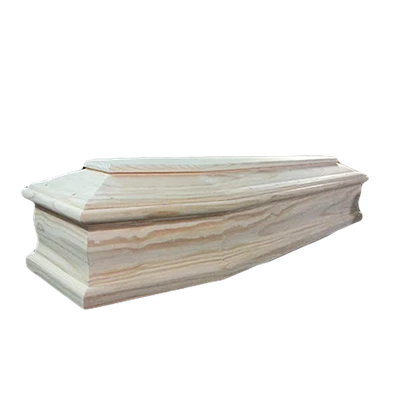
First, let’s start with what a urn vault isn’t—it’s not just a fancy box to stuff an urn into. When someone is cremated, their ashes go into an urn, right? Then that urn gets placed into a burial plot, usually in a cemetery. Here’s the thing: cemeteries don’t just let you dig a hole, plop the urn in, and call it a day. Over time, dirt and grass get heavy, plus rain seeps in, tree roots push up from below, and even the ground shifting can mess things up. Without a vault, a plain urn might crack, sink, or break apart entirely. That’s a huge bummer for something that’s supposed to hold your loved one’s memory forever.
Wait, let’s get a little more specific—like, how does it actually work? Urn vaults are tough, reinforced containers made from concrete, metal (like steel or aluminum), sometimes even fiberglass or high-density plastic. They’re built to hold up against all the stuff the earth throws at them. When you bury an urn, you lower the urn into the vault first, then seal the vault shut. That creates a solid, protective barrier around the urn. No cracks, no water getting in, no accidental damage from digging or natural movement. For a lot of families, that peace of mind alone is worth it—you don’t have to worry about the urn wearing down over the years, or the grave caving in around it.
I’ve heard people mix up urn vaults with grave liners, too, and that’s a common mistake. A liner is simpler—usually just a thin, rectangular piece that’s placed at the bottom of the grave to line the hole, keep dirt from scratching the urn. A vault is way sturdier, it’s fully enclosed (top and bottom, sides) and built to support the weight of the ground and above-ground memorials, like headstones or monuments. If you’re putting a nice, heavy headstone on top, a vault is non-negotiable for most cemeteries—they won’t let you skip it, actually. Cemeteries have rules about this to keep their grounds safe and maintained; without a vault, headstones can tilt or sink, which is a liability for them.
Now, let’s talk about why this matters for you, the family making this choice. When I started my urn company, I didn’t just sell urns—I realized people were missing this piece of the puzzle. A lot of vendors will push you to buy a random vault with your urn, but not all vaults are created equal. I’ve seen cheap, flimsy concrete ones that crack after a few years, or metal ones that rust through in damp soil. That’s why we source vaults that are durable, weather-resistant, and built specifically for cremation urns—not caskets. Casket vaults are way bigger, so don’t mix those up! Cremation vaults are smaller, made to fit standard urn sizes (like the 10-inch adult urn, or the small keepsake urns families often split into).
Another point: some families choose to have their loved one’s urn interred in a columbarium instead of a ground plot. Columbariums are those wall-like structures with little niches for urns. Do you need a vault there? Most of the time, no—columbarium niches already have a hard back and sides, so the urn is protected there. But if you’re opting for ground burial, the vault is a must.
I know money is a big factor here. Grief is expensive, and adding a vault on top of an urn, plot, and service can feel like a stretch. But here’s the thing: a good vault is an investment. It doesn’t just protect the urn—it keeps the grave site intact. If you ever want to come back to place flowers, replace a flag, or just sit and visit, you don’t want to find out the grave has sunk, or the urn is cracked. We make vaults that are priced fairly, so you don’t have to overspend on something that’s just going to sit in the ground.
Wait, let’s clear up a myth I hear all the time: “If I put the urn in a biodegradable urn, do I still need a vault?” Biodegradable urns are great for eco-friendly choices—they break down naturally, return to the earth. But even a biodegradable urn in the ground can benefit from a vault. The vault keeps the urn in place while it breaks down, and still protects the grave site from shifting. Some eco-conscious vaults even exist now—compostable ones made from plant-based materials, so you’re not sacrificing sustainability for protection. That’s a big one for families who want to keep their loved one’s impact on the planet as gentle as possible.
Let me also share a quick personal story, because I hate when this feels like a cold business pitch. A few years back, a customer came to me distraught—his mom had passed, he’d bought a nice wooden urn, buried it in a plot without a vault, and a year later when he went to visit, the urn had cracked in half from the ground shifting. He had to pay to dig it up, get a new urn, and re-bury it—on top of all the funeral costs. That’s when I knew I had to make it easy for families to get a good vault without the stress. So now, when you order an urn from us, you can add a vault at checkout, no hidden fees, no confusing options.
So, to wrap this up: an urn vault is a tough, protective container that goes around your cremation urn when you bury it in a cemetery. It prevents damage from natural elements, keeps the grave site stable, and gives you that peace of mind that your loved one’s resting place is safe. It’s not a requirement everywhere, but almost all cemeteries will mandate it, and for good reason—you don’t want to go through all the trouble of honoring someone only to have their urn ruined.
If you’re in the process of planning, and you’re not sure which vault fits your urn, or if you need help picking the right one, hit me up. I’m here to answer questions, no pressure, no sales pitches that make you feel overwhelmed. We’ve got options for every budget, every type of urn, and even eco-friendly ones if that’s what you’re looking for. Don’t hesitate to reach out—this is a tough time, and I want to make this part a little easier for you.
Cremation Casket References
National Funeral Directors Association. (2022). Cremation and Burial Vault Guidelines. NFDA Press.
Cemetery & Funeral Service Association of America. (2021). Ground Burial Best Practices for Cremated Remains. CSFAA Journal.
Environmental Protection Agency. (2020). Eco-Friendly Funeral and Cremation Options. EPA Waste Management Division.
Cao County Huifengyuan Wooden Co., Ltd.
Cao County Huifengyuan Wooden Co., Ltd. is one of the most experienced manufacturers and suppliers of urns in China. Please rest assured to wholesale high quality urns at competitive price from our factory. If you have any enquiry about customized service, please feel free to email us.
Address: Changgangmiao Village, Zhuangzhai Town, Cao County, Heze, Shandong, 274404, China
E-mail: admin@hfywooden.com
WebSite: https://www.hfycoffin.com/
