Hey there, if you’re on the hunt for acrylic floor display stands, chances are you’ve wondered: what sizes are even out there, and which one’s gonna fit your space (and your products) perfectly? As a supplier who’s been knee-deep in acrylic displays for years, I’ve lost count of how many times customers email me panicking because they grabbed a stand that’s either too tiny to showcase their stuff or way too big for their floor space. Let me break this down like I would to a client stopping by my warehouse—no stuffy jargon, just straight talk about the sizes we actually stock, why we pick ’em, and how to pick the right one for you. Acrylic Floor Display Stand

First off, let’s get one thing clear: acrylic floor stands aren’t one-size-fits-all. Way back when, we used to only carry a handful of random sizes, but after working with everyone from small boutique skincare brands to big chain retailers, we realized most folks need options that fit their actual needs—not the other way around. Now, we split our sizes into three main categories: countertop-friendly but floor-placed mini stands, mid-size workhorses for general retail, and extra-large heavy-duty stands for bulkier items. Sound vague? Let’s dive into each, with the exact measurements we use daily.
Starting with the mini ones. These aren’t the teeny tiny countertop stands you set on a checkout desk—these are floor stands that sit low, like, knee-high or a little above. Why? A lot of our customers sell small, high-margin items: lip gloss tubes, phone chargers, jewelry displays, even sample-sized face masks. If you put a full-size stand for these, it’ll look like a stick figure holding a toothpick—super awkward, and your product’ll get lost. Our mini acrylic floor stands usually come in 24 inches tall, 18 inches tall, and even a super compact 12 inches tall for super tight corners. Wait, height isn’t everything, right? The base is just as important, because a wobbly stand’s useless. For these mini ones, the base is usually a square or rectangle between 12×12 inches and 18×18 inches. That’s small enough to tuck next to a fitting room door or under a store window, but sturdy enough that even a kid grabbing a sample won’t knock it over. We don’t go smaller than 12 inches tall for floor stands, though—anything lower’s basically a table, not a display. A quick tip here: if you’re selling multiple small items, look for a mini stand with tiers; we do 2-tier and 3-tier mini stands, so you can stack lip gloss and mini perfume without cramming ’em.
Next up, the mid-size stand—this is the workhorse, the one that sells more than any other size in our warehouse. Most retail spaces, from clothing boutiques to grocery store snack aisles, have standard floor space that works with these, so they’re the go-to for 70% of our customers. What’s the height here? Typically between 36 inches and 48 inches. Wait, why that range? 36 inches is eye level for most average-height shoppers (around 5’4” to 5’8”), so they can glance over and see your product without hunching. That’s perfect for things like t-shirts, small electronics (like wireless headphones, portable speakers), paperback books, or snack boxes. The 48-inch one? That’s a little higher, great if you have taller products, like a line of travel-sized water bottles, or if you want the stand to stand out a bit more without blocking foot traffic. Now, base size for mid-size stands: we usually go with 24×24 inches to 30×30 inches. That’s big enough to hold a heavy load—like, a mid-size stand can hold up to 50 pounds, which is way more than you’ll ever need for retail stuff. But it’s not so big that it takes up half your aisle, which is a common mistake. A lot of customers come to us saying, “I bought a 40-inch base stand and now no one can walk between the clothing racks”—yeah, we’ve seen that, so we always remind people to measure their aisle space first before ordering. We also make mid-size stands with adjustable shelves, if you’re not sure exactly what you’re gonna put on it. That way, if you switch from t-shirts to dog toys later, you can move the shelves up or down without buying a whole new stand. Win-win, right?
Now, the heavy-duty extra-large stands—for when mid-size just isn’t enough. These are for bulkier items, or for brands that want their display to be a focal point, not an afterthought. Think: mattress toppers, large water jugs, outdoor gear like folding chairs, or even bulky promotional items like brand new phone cases stacked 10 deep. What’s the size here? Height ranges from 60 inches to 72 inches, which is almost up to the ceiling for most small to mid-sized stores. The base? We go up to 36×36 inches, and some even have a wider base (like 40×40 inches) for extra stability. These stands aren’t just taller—they’re thicker, too. The acrylic panels we use are 10mm thick for these, vs. 5mm for mini and mid-size, so they don’t warp under the weight of big products. I’ll be honest, these are less common for small businesses, but they’re a lifesaver for pop-up shops or trade shows where you need to display big stuff. We also have a few custom options here, if you need something even bigger—we made a 80-inch tall stand once for a surfboard brand, but that was a special order, so we’ll get to custom sizes later.
Wait, I should mention we also do single-tier vs. multi-tier stands across all these sizes. Single-tier is just one flat shelf, good if you have one big product to display—like a bottle of skincare worth $100, you don’t wanna hide it under other stuff. Multi-tier is 2, 3, or even 4 shelves, perfect for stocking multiple products without cluttering the counter. We get asked all the time: “What size stand do I need for X product?” and honestly, that’s half the battle. Let me give you some examples to make it real. If you’re a café selling reusable coffee cups, a 36-inch mid-size single-tier stand with a 24×24 base works great—eye level, fits 6-8 cups, doesn’t block the line. If you’re a boutique selling dainty jewelry, a 18-inch mini 2-tier stand fits perfectly next to the register, keeps rings and necklaces organized, and doesn’t get knocked over by people grabbing their change. If you’re a home goods store selling large plant pots, a 60-inch extra-large single-tier stand with a 36×36 base is exactly what you need—tall enough to showcase the pot, sturdy enough to hold a 20-pound plant.
Now, what about custom sizes? A lot of people don’t realize that we don’t just stick to the standard sizes I listed. We get requests all the time for weird spaces: a corner that’s 20 inches wide, a display wall that needs a stand 50 inches tall, even a cutout shape for a specific product. I can tell you from experience that custom stands aren’t as scary as they sound. Our team works with you to measure the exact space, pick the right acrylic thickness (no flimsy stuff, we test every panel before cutting), and make sure it fits your products. The turnaround for a custom stand is usually 10-14 days, which is way faster than a lot of other display suppliers. We did a custom stand last month for a pet supply brand that needed a stand shaped like a dog bone for their treats—perfect size for their bulk treats, and it stood out so much, the brand told us sales went up 20% after they put it out. That’s why size matters, y’know? The right stand isn’t just functional—it’s a marketing tool.
Wait, let’s talk about common mistakes people make when picking sizes, because I see this every week. First, measuring only the height, not the base. I had a customer last year who ordered a 48-inch mid-size stand, measured the height, and didn’t check the base. His store’s aisle was only 22 inches wide, and the stand’s base was 28 inches—so it stuck out into the aisle, and customers were tripping over it. He ended up having to return it, which was a bummer. Second, buying a stand that’s too small to fit your product. Another customer wanted to display their large candles, bought a mid-size stand with a 24×24 base, and the candle was 12 inches wide—so it hung over the edge, and kept tipping over. We swapped him for an extra-large single-tier stand, and that fixed it. Third, ignoring weight capacity. A lot of cheap acrylic stands online will say they can hold 20 pounds, but that’s only if it’s evenly distributed. Our stands are tested to hold double the labeled weight, so you don’t have to worry about a shelf collapsing mid-shift.
Also, let’s not forget about space limitations. If you’re a small business with a tiny store, you don’t need a 72-inch giant stand—you can mix and match sizes. A mini stand for your checkout items, a mid-size for your main products, that’s enough. If you’re a big chain with a large store, you can have multiple sizes: a few mini stands for samples, mid-size for apparel, extra-large for endcap displays. It’s all about balancing what you need with the space you have.
Wait, should I mention the difference between floor stands and countertop stands? A lot of people mix them up. Countertop stands are made to sit on a table or shelf, so they have a flat bottom. Floor stands have a base that’s thick enough to sit on the floor, so they don’t tip over. That’s why the sizes I listed are all floor-specific—countertop stands are way smaller, like 6 inches tall, but those aren’t for the floor. Just a quick clarification, because I get that question all the time.
Now, if you’re still not sure which size is right for you, here’s a quick checklist I give to every customer: 1) Measure the exact space where you wanna put the stand (width, depth, height—all three, not just one). 2) Measure the size of the products you wanna display (how wide, deep, tall is each item, how many do you wanna put on there?). 3) Decide if you want single or multi-tier. 4) Check the weight of your products, so you know what thickness of acrylic you need. If you’re not sure, just send me a photo of your space and your products, and I’ll tell you exactly what size to get. No pressure, no salesy stuff—just honest advice.
At the end of the day, acrylic floor display stands are all about function and visibility. The right size will make your products stand out (pun totally intended), fit your space, and not cause any headaches. We’ve been refining our size options for years, and we’ve found that the standard sizes I mentioned cover 90% of retail needs, but we’re always happy to do custom sizes for that 10% of cases. If you’re looking to order, or just have questions about sizes, hit me up to connect for a sourcing chat—we’ll walk through everything, no fine print, no hidden fees.
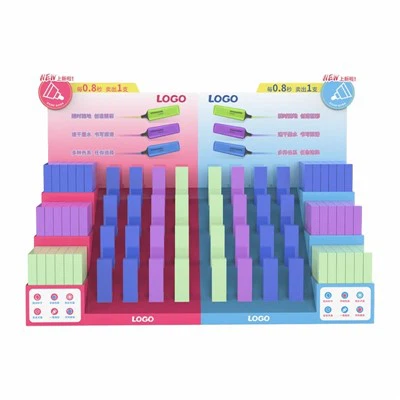
So yeah, that’s the lowdown on acrylic floor display stand sizes. No fancy terms, just real talk from someone who’s dealt with hundreds of customers and thousands of stands. At the end of the day, the best size is the one that works for you, your products, and your store. Don’t overthink it, just measure twice, order once, and you’ll be set.
Freestanding Display Stand References
- Retail Display Industry Association. 2023 Standard Sizing Guidelines for Floor Displays
- Acrylic Manufacturers Association. 2022 Weight Capacity Testing for Acrylic Display Stands
- Small Business Retail Space Planning Handbook. 2021
Guangzhou Guangjie Display Products Manufacturing Co., Ltd.
We’re well-known as one of the leading acrylic floor display stand manufacturers in China, also support customized service. Welcome to buy bulk high quality acrylic floor display stand at competitive price from our factory. If you have any enquiry about pricelist and quotation, please feel free to email us.
Address: No. 16-1 Lilv Road, Dashi Street, Panyu District, Guangzhou City, Guangdong Province
E-mail: guangjie_dp888@163.com
WebSite: https://www.gjdisplaystand.com/
