If you’ve ever found yourself staring at a scuffed leather bag, a frayed leather jacket seam, or even a tired leather piece of furniture, you’ve probably asked yourself “can I just grab that roll of aluminum foil tape lying around to fix this?” I get it—aluminum foil tape is such a handy go-to for quick fixes around the shop or home, right? It sticks tight, seals out moisture, reflects heat, and doesn’t cost a fortune. But when I first started getting questions about using it on leather, I’ll admit I hesitated. I’ve been an aluminum foil tape supplier for over 10 years, and I’ve seen people use my tapes for everything from patching metal ductwork to sealing window gaps. But leather? That’s a whole different animal. Aluminum Foil Tape

Let’s break this down straight—no corporate jargon, no fake expert fluff. First off, what’s aluminum foil tape, exactly? At its core, it’s a thin layer of aluminum foil bonded to a pressure-sensitive adhesive (PSA) backing. The adhesive is key here—different tapes use different adhesives for different jobs. Some are super strong for high-temperature stuff, others are flexible for curved surfaces, and some are even designed to be removable. Leather, though, is a porous, sensitive material. It’s not metal or plastic, so it reacts way differently to adhesives than rigid materials do.
So here’s the big question: can you use aluminum foil tape on leather? The short answer is… it depends. Let’s start with the bad news first. If you just grab any random roll of aluminum foil tape from your garage, you’re probably going to regret it. Most standard aluminum foil tapes—especially the ones made for HVAC work—use a permanent acrylic or rubber-based adhesive. When that stuff sticks to leather, it doesn’t just peel off clean. Leather’s pores soak up the adhesive, and when you try to yank the tape off later, it takes the top layer of leather with it. I’ve gotten dozens of emails from customers saying they tried this: they patched a leather boot sole with duct tape (wait, no, they tried foil tape) and ended up with a big, ugly bald spot that made the leather worse. Even worse, some tapes use solvents in their adhesive that can dry out leather, crack it, or leave a weird discolored stain. If you’ve ever seen a leather chair that’s been damaged by too much cleaning product, you know how finicky it is—adhesive solvents are way harsher than most people think.
But before you write off aluminum foil tape for leather entirely, let’s talk about the good scenarios. There are actually specific types of aluminum foil tapes that work way better with leather, if you use them the right way. First, let’s clarify: I’m not talking about using foil tape to hold together a torn leather jacket (that’s a fix for 10 minutes, not a long-term solution). I’m talking about using it for very specific, low-stakes jobs where you don’t need it to stay on forever, and you prepare the leather properly.
Wait—prep is everything here. If you’re going to use any tape on leather, you have to do a quick clean first. Leather gets oil, dirt, and sweat in its pores, and that gunk prevents adhesive from sticking evenly. Grab a soft microfiber cloth and a tiny bit of leather cleaner (not a chemical solvent—something mild, like dish soap mixed with warm water), gently rub the area, then let it dry completely. No moisture left, or the adhesive won’t stick right and might cause mold under the tape. Also, test the tape on an inconspicuous spot first. Like, if you’re fixing the inside of a leather bag’s bottom edge, test a tiny piece on the inside seam that no one will see. Leave it for 24 hours, then peel it off. If it doesn’t leave a stain or take off leather, then you’re good to go.
Now, the right types of aluminum foil tape for leather: look for ones labeled “removable adhesive” or “low-tack pressure-sensitive adhesive.” These are the ones we make a lot of at my company, because people don’t always want their tape to stay stuck forever. Removable adhesive is formulated to not soak deep into leather pores—it grabs the surface just enough to stick temporarily, but releases clean when you pull it off slow, at a 180-degree angle (not yanking straight up, that’s a mistake). These tapes are also thinner, so they don’t add that bulky, obvious layer that ruins leather’s smooth look. For example, if you’re fixing a frayed edge on a leather notebook cover, a thin, removable aluminum foil tape won’t make the cover look lumpy, and you can take it off later if you want to re-sew the edge properly.
Another scenario where aluminum foil tape can work on leather is heat-related fixes. Leather is sensitive to temperature extremes, right? If you have a leather dashboard in a car that’s getting too hot, or a leather bag that you want to reflect sunlight to keep it from fading, a thin aluminum foil tape can help. The foil’s reflective properties bounce heat away, which is actually good for leather—too much direct heat dries leather out, so reflecting it can extend the life of the material. But again, only use removable tape here. Permanent tape that’s left on leather in direct sun will get sticky as the adhesive heats up, and then when it cools down, it will leave a hard, to-gooey residue that’s almost impossible to clean off without damaging the leather. I’ve seen this happen with car interiors—someone taped a strip of permanent foil tape to their leather dash to block the sun, and a month later, they had to condition the dash three times just to get the sticky gunk off.
Wait, let’s talk about what you should never do. First, never use foil tape on leather that’s in a high-traffic area or needs to flex a lot, like a leather shoe upper. Leather bends, and even the best removable tape will start to peel or lift at the edges after a few bends. That’s not a failure of the tape—it’s just not designed to move with flexible surfaces. Second, never use foil tape on finished leather (like most furniture, bags, jackets) that has a painted or sealed layer. The sealed layer is supposed to protect the leather, but it also prevents the adhesive from sticking evenly, so you’ll get bubbles and the tape will fall off in a week. Third, don’t use aluminum foil tape as a long-term repair—ever. Leather needs to breathe, right? If you cover it with tape, even removable tape, it traps moisture under there, which can cause mold or mildew growth that you can’t see until it’s too late.
Let me share a real customer story to make this concrete. About a year ago, a woman reached out to me saying she had a vintage leather handbag that she’d had since college. The bottom edge was completely frayed—like, the leather was splitting, and she was afraid to carry it because she thought it would fall apart. She tried using a standard HVAC aluminum foil tape (you know, the thick, silver stuff with the strong adhesive) and it ended up taking a chunk of the leather’s finish off, leaving a huge, ugly mark on the only part of the bag that was visible when she carried it. She was heartbroken, because that bag had sentimental value.
I told her to try our thin, low-tack aluminum foil tape, and to prep the bag first. We walked through the steps: clean the edge with mild soap, dry it, test a tiny spot on the inside of the bag’s handle. She did that, and it passed. She cut a small strip of the tape, applied it to the frayed bottom edge, and pressed it firmly with a soft cloth to get all the air bubbles out. She told me later that it held up for three months, and when she finally took it off to take the bag to a leather repair shop to get it sewn properly, it peeled off completely without a single mark. That’s the kind of win we love to see as a supplier—using our product to temporarily fix something that’s important, not damage it.
Another time, a guy reached out about his leather work gloves. He’s a plumber, and his gloves get exposed to heat and sharp metal all day, and the fingertips were wearing out fast. He used a piece of our thin, removable aluminum foil tape on the fingertips to add a layer of protection. It worked for six weeks, and since it’s removable, he could replace it whenever the tape wore down, without messing up the leather. That’s a practical use that makes sense—protecting a high-wear area temporarily, not patching a whole tear that needs a professional fix.
So let’s wrap this up with clear, actionable rules if you’re even considering using aluminum foil tape on leather:
- Only use thin, low-tack/removable pressure-sensitive adhesive aluminum foil tape. Skip the heavy-duty HVAC tapes, the permanent ones, the ones that say “extra strong bond.” Those are made for metal, not leather.
- Prep the leather first: clean the area gently with mild, leather-safe cleaner, let it dry 100% completely. No moisture, no dirt, no oil.
- Test the tape on an inconspicuous spot first. Wait 24 hours, peel it off slowly at a 180-degree angle. If no stain, no leather damage, proceed.
- Only use it for temporary jobs: patching a small frayed edge, adding a heat reflective layer for a short time, protecting a high-wear area until you can do a proper leather repair.
- Never use it on flexible leather (like shoe uppers, jacket sleeves that bend a lot) or finished leather that’s visible and needs to look good long-term.
- Never leave it on longer than necessary. Remove it as soon as you can—leather needs to breathe, and even the best tape traps moisture over time.
Now, I know some of you are probably thinking, “Why not just use leather adhesive or leather repair tape?” Fair question! Leather-specific tapes are out there, and they work great, but they’re also way more expensive, and a lot of times, they’re just thick fabric backed with adhesive. Aluminum foil tape has its own perks: it’s thinner, more flexible in thin layers, reflects heat, and is way cheaper than leather repair products. The key is matching the right tape to the right job.
As an aluminum foil tape supplier, I always tell my customers: the best use for our product is where it’s designed to work. That means metal ducts, sealing gaps, insulating pipes, wrapping electrical wires. But leather? It’s a secondary use, a quick fix for a specific, temporary problem, if you do it right. You’re not going to fix a torn leather sofa with foil tape for 10 years, but for a month or two while you save up for a professional repair, it can be a lifesaver.
Wait, one more tip: if you do use aluminum foil tape on leather, apply it evenly, press firmly, and smooth out all air bubbles. Air bubbles under the tape can trap moisture, and they also make the tape peel off faster. Use a soft cloth or a plastic scraper (wrapped in cloth, so it doesn’t scratch leather) to press the tape down from the center out to the edges. That will ensure it sticks as well as possible, and reduces the chance of residue when you peel it off.
I’ve been in this business long enough to see that a lot of people get frustrated with tapes because they use the wrong product for the wrong surface. Aluminum foil tape isn’t a one-size-fits-all solution, and leather is a tricky material. But when you pick the right type, prep properly, and use it for the right reason, it can actually work really well, no damage, no mess.
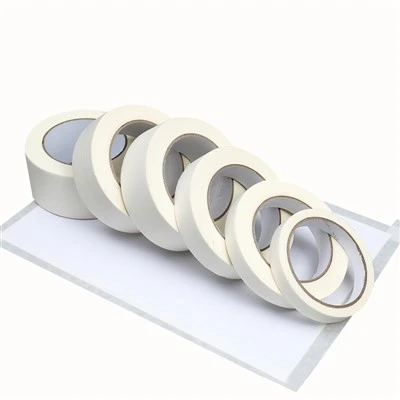
If you have a project where you think aluminum foil tape might be a good fit for leather, and you want to make sure you’re grabbing the right product, hit me up. We can help you pick the right tape, answer any questions you have, and make sure you don’t end up with a ruined leather piece. Whether you’re a DIYer fixing a old bag, a small shop needing temporary repairs, or someone looking for a cost-effective solution for a short-term leather project, we’re here to help you find what works.
Nano Tape References:
- Leather Technician Association. “Care and Maintenance of Finished Leather Goods.” 2021.
- Pressure-Sensitive Tape Council. “Adhesive Compatibility with Porous Surfaces.” 2022.
- Automotive Leather Council. “Heat Reflective Solutions for Interior Leather Surfaces.” 2020.
Yiwu Yubang Adhesive Products Co., Ltd.
As one of the most professional aluminum foil tape manufacturers and suppliers in China, we also support custom service. We warmly welcome you to wholesale high quality aluminum foil tape made in China here from our factory. If you have any enquiry about cooperation, please feel free to email us.
Address: 4th Floor, No. 17 Gantang West Road, Yiting Town, Yiwu City, Jinhua City
E-mail: salesmanager@yubangtape.com
WebSite: https://www.yubang-tape.com/
