If you’ve ever stood next to a hydraulic system mid-shift and watched a sudden leak shut down your entire operation, you know how costly even small issues can be. Last month, I got a call from a construction equipment manager who’d just lost 12 hours of work when a mismatched hydraulic hose coupling blew out on his excavator. He’d swapped out a standard fitting to save a few dollars, assuming “one size fits all,” and ended up paying in lost productivity, emergency repairs, and even avoidable parts replacements. That call was the push I needed to write this: optimizing a hydraulic hose system doesn’t start with the hose—it starts with the right fittings. As a hydraulic fittings supplier who’s worked with fleets, manufacturing lines, and construction crews for over a decade, I’ve seen first-hand how a choice of fitting can make or break a system’s efficiency, safety, and lifespan. Let’s break down exactly how to get that right. Hydraulic Fittings
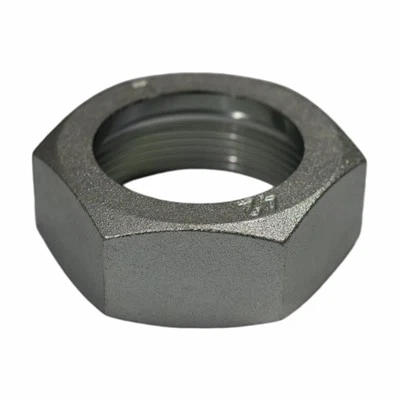
First, let’s talk about why fittings matter so much, beyond just connecting two pieces of hose or pipe. A hydraulic system runs on pressure—often 3,000 PSI or higher for heavy-duty applications—and every joint in that line is a potential weak point. A fitting that doesn’t match the hose’s pressure rating, or has a poor seal, will leak, drop pressure, or even fail catastrophically. Leaks aren’t just messy; they cause energy waste. A 2023 study from the National Fluid Power Association found that even a single 1mm leak in a hydraulic system can waste up to 1,000 gallons of fluid per year, and lower system efficiency by 3% or more. That adds up when you’re running dozens of machines 24/7. Worse, hydraulic fluid is under high pressure, so a small pinhole leak can spray hot fluid that’s a fire hazard or cause severe skin burns—something no worksite needs. So optimizing fittings isn’t just about cutting costs; it’s about safety, too.
Now, the first rule: match the fitting type to your application, not just what’s easiest to grab from a shelf. Most new operators stick to one or two fitting styles, but different designs work for different scenarios. Let’s go over the most common, and when each makes sense.
First, JIC (Joint Industry Council) fittings. These are the 37-degree flared fittings that are super common in general industrial and mobile hydraulic systems. They’re reusable, easy to assemble in the field, and don’t need welds or extra hardware—great for quick repairs on construction sites where you can’t wait for a shop to rework parts. But here’s a catch: JIC fittings rely on a metal-to-metal seal, so they work best when the hose end is properly flared. If your tech cuts a hose wrong and doesn’t flare it to the exact angle, you’ll get a leak, no matter how tight you torque the nut. I see this mistake all the time—techs rush the flaring process and end up with a 35-degree flare instead of 37, which breaks the seal. For high-vibration applications like excavators or skid steers, JIC can work, but you’ll need to check torques every couple of weeks.
Then there are ORS (O-ring Face Seal) fittings. These have a flat face with an O-ring that creates a positive seal, no metal-to-metal contact. That makes them way more resistant to leaks, even under high pressure and vibration. This is why they’re the go-to for heavy-duty applications like forestry equipment, agriculture, or manufacturing presses where downtime is non-negotiable. The downside? They’re a bit more expensive than JIC, and once you assemble them, you can’t easily take them apart and reuse the nut—you’ll usually need to replace the whole fitting if you disconnect it. But for many of my customers, the cost of avoiding a shutdown is worth every extra penny.
Another style: NPT (National Pipe Thread) fittings. These are tapered threads that rely on pipe thread sealant or Teflon tape to seal. They’re cheap, but they’re also prone to leaks if you over-tighten (which can crack threads or split the fitting) or under-tighten (which leaves gaps). I almost never recommend NPT for high-pressure hydraulic systems—they’re fine for low-pressure plumbing, but at 4,000 PSI, the threads can easily strip or let fluid seep out. A lot of small shops use them because they’re easy to source, but it’s a false economy.
And don’t forget metric fittings, especially if you work with European or imported equipment. A lot of new machines from overseas use metric, and mixing metric and imperial fittings is a fast track to disaster. For example, a metric M22 fitting will thread onto a 7/8-inch hose, but not a standard imperial 1-inch—so mixing them will cross-thread, strip threads, or leak.
Next, size and pressure rating: this is non-negotiable. I’ve had customers come to me with a 1-inch hose and a ¾-inch fitting, saying “it fits.” No, it doesn’t—an undersized fitting will restrict flow, make the pump work harder, and raise energy costs. An oversized fitting might seem like a good backup, but it can cause stress on the hose’s reinforcement layer, leading to premature blowouts. Every hydraulic hose has a maximum working pressure, and every fitting has to match that number. Also, check the hose’s I.D. (inner diameter), not just the outer. A 2-inch hose with a 1.5-inch I.D. will need a fitting sized to that 1.5-inch I.D., not the hose’s outer measurement. I always tell my customers to keep a copy of their hose spec sheet handy when ordering fittings—don’t guess.
Then there’s the issue of materials. Fittings aren’t just made of one metal, and the wrong material will corrode or fail, even if every other spec matches. Most standard fittings are made of carbon steel, which is strong and cheap, but if you’re working in environments with high moisture, salt, or chemicals (like mining worksites or coastal construction), carbon steel will rust over time, weakening the threads and seals. For those cases, we offer stainless steel fittings—they’re more expensive, but they resist corrosion, so they last 2-3 times longer than carbon steel in harsh conditions. We also have brass fittings for low-pressure, non-critical applications, but again, never use brass for anything over 1,000 PSI. Another thing: make sure the fitting’s material is compatible with your hydraulic fluid. If you’re using synthetic hydraulic fluid that has additives, some cheaper fittings might react and break down, causing contamination in your system that ruins pumps or valves.
Seal quality is another area where cheap fittings cut corners, and that’s where leaks start. The O-rings in ORS fittings, or the seals in JIC fittings, have to be made of a material that matches your operating temperature. If your system runs hot—say, 180 degrees Fahrenheit or higher—a standard Buna-N O-ring will harden and crack, letting fluid leak out. We offer high-temperature FKM (Viton) O-rings for applications where temps exceed 160 degrees, which is a small upgrade that prevents big leaks. Also, check if the fitting’s seal is molded to the fitting, or is a separate part. Separate O-rings can fall out during assembly, so go for molded seals whenever possible—they’re more reliable, even if they cost a bit more.
Proper installation is the final piece of the puzzle, and even the best fitting will fail if installed wrong. Let’s go over the do’s and don’ts here. First, always lubricate the fitting threads lightly with hydraulic fluid before assembly. That prevents galling (when metal threads stick to each other and tear when you unscrew them) and ensures the seal seats properly. For JIC fittings: torque the nut to the manufacturer’s spec, not as tight as you can. Most JIC fittings require torquing between 20 and 50 foot-pounds, depending on size—too tight will stretch the flare, too loose will leak. For ORS fittings: tighten until the O-ring just seats, then add a quarter-turn. Too much torque will squeeze the O-ring out of its groove, ruining the seal. For NPT fittings: wrap Teflon tape around the threads in the direction you’ll be turning the fitting when you assemble it—if you wrap it the wrong way, it will bunch up inside and block flow. Also, never use sealant on JIC or ORS fittings—those rely on metal-to-metal or O-ring seals, not thread sealant, and sealant can contaminate the hydraulic fluid.
Another installation mistake: not supporting the hose properly at the fitting end. A lot of operators yank on the hose to tighten the fitting, which puts stress on the hose’s connection, leading to bending fatigue. That’s a common cause of hose failures at the fitting interface. We always recommend using hose clamps or bracket supports within 6 inches of the fitting, to take the stress off the connection. That simple step can extend the life of your hose and fitting by 50% or more.
Now, let’s talk about a common mistake we see: using old, mismatched fittings when replacing a hose. When you need to swap a hose, don’t just pull the old one and grab any fitting that looks like it. Even if the old fitting worked, newer hose standards might require a different fitting, or the old fitting might be worn out. For example, a worn JIC nut has a rounded thread that won’t seat properly, leading to leaks—even if it “fits” the new hose. Always inspect fittings when you replace hoses: check for cracks, stripped threads, or worn sealing surfaces, and replace them if they show any wear. It’s way cheaper to replace a $10 fitting than to shut down a $50,000 machine because of a leak.
We also do custom fittings for customers with unique applications. For example, a wind turbine maintenance team had a hard time finding a fitting that would fit their long, narrow hydraulic lines inside the turbine’s tower. We made a custom-length ORS fitting that eliminated the need for extra joints, reducing leak points by 50% and cutting their maintenance time per turbine by 2 hours. Custom fittings aren’t just for big industrial jobs—if you have a niche application, a good supplier can work with you to get the right fit, instead of making you settle for a one-size-fits-all part.
Now, let’s get to the bottom line: optimizing your hydraulic hose system with the right fittings isn’t a one-time purchase—it’s a ongoing process. Every time you replace a hose, repair a line, or adjust a system, take a minute to check the fitting specs, material, and seal. Don’t go for the cheapest option on the shelf; that’s the same as leaving a weak point in your system. I’ve seen too many customers save $5 on a fitting, only to spend $1,000 on emergency repairs and lost productivity a week later.

If you’re looking to upgrade your fittings, troubleshoot existing leaks, or need custom parts for a specific application, I’m here to help. We work with fleets, manufacturing facilities, construction companies, and more to get the right fit for every job. Just reach out to connect with our team to discuss your hydraulic hose system needs. We can walk you through fitting types, pressure ratings, materials, and installation best practices, so you can cut down on leaks, boost efficiency, and keep your machines running smoothly.
Screw Nut References
- National Fluid Power Association. (2023). Hydraulic Fluid Leakage and Energy Loss Analysis. Fluid Power Journal, 47(2), 18-22.
- Society of Automotive Engineers. (2022). Hydraulic Fitting Standards for Mobile Machinery. SAE International, J516-22.
- American National Standards Institute. (2021). Specification for Hydraulic Hose Fittings, 37-Degree Flared Type. ANSI B93.1-2021.
- Fluid Power Distribution Association. (2023). Harsh Environment Hydraulic Fitting Material Performance. Distribution Industry Report, 11(4), 9-15.
- Occupational Safety and Health Administration. (2022). Safety Guidelines for High-Pressure Hydraulic System Maintenance. OSHA 3547-02.
Yuyao Huiqiang Fluid Connectors Co., Ltd.
As one of the most professional hydraulic fittings manufacturers and suppliers in China, we also support customized service with low price. Please feel free to wholesale cheap hydraulic fittings in stock here from our factory. Welcome to view our website for more information.
Address: No. 102, Wenwei Road, Zhangting Town, Yuyao City, Ningbo City, Zhejiang Province
E-mail: huiqiangliuti@aliyun.com
WebSite: https://www.huiqiangfitting.com/
