If you’re working on building insulation, retrofitting an old space, or just trying to cut energy bills, you’ve definitely heard of rock wool. But here’s the thing: not all rock wool insulation is the same. As a rock wool insulation supplier, I get tons of texts and calls every week asking, “Which type do I actually need?” So I thought I’d break down the main types we carry, what they’re used for, and how to pick the right one for your project. No jargon, no boring industry fluff—just straight talk from someone who’s been in this game for 12 years. Rock Wool Insulation
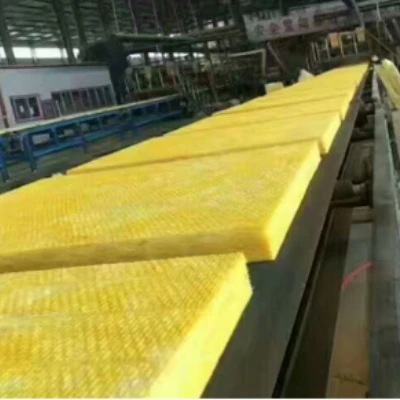
First, let’s start with the basics you don’t need a degree in materials science to get. Rock wool (also called mineral wool, though technically it’s a subset—don’t get me started on the semantic debates) is made from melted volcanic rock or recycled slag. We spin it into fibers, then compress and bind them into different forms for specific jobs. The big difference between types? Density, thickness, facing, and how they’re installed. That’s what makes each one unique.
Let’s kick off with the most popular stuff: pipe wrap insulation. If you’ve ever walked past a steam pipe in a factory or a hot water line in a commercial building, that fuzzy, tube-shaped stuff wrapping it? That’s pipe wrap. We make this specifically for cylindrical surfaces—hot water pipes, steam lines, HVAC ducts, even industrial process pipes. Why is it so common? It eliminates gaps around the pipe, which is the #1 way heat escapes from plumbing and HVAC. A lot of contractors try to use generic batts for pipes, but that leaves gaps, which kills efficiency. Our pipe wrap comes in different thicknesses, too—1-inch for standard residential hot water lines, 2-inch for industrial steam lines that run at 300°F or higher. It’s also resistant to moisture, so no mold or rot if a pipe leaks a little, which is a huge win in places like basements or mechanical rooms.
Next up: batt and blanket insulation. This is the stuff you’ve probably seen in new home construction—large, flexible slabs that fit between wall studs, floor joists, and attic rafters. We carry two main formats here: faced and unfaced. Faced batts have a thin paper or foil backing (called a vapor retarder) that you tape to seal out moisture. Unfaced is just the wool, so you pair it with a separate vapor barrier if needed. The density here is lower than pipe wrap, which makes it easy to cut and fit between framing. For attics, we often recommend thicker blankets—like 6-inch or 8-inch—since heat rises, so you need more insulation up top. Wait, but don’t just grab any batt! If you’re working on a commercial building, we also have fire-resistant batts that meet strict code requirements for office spaces and retail buildings. A lot of DIYers forget that some generic batts aren’t tested for high-heat environments, so it’s worth asking your supplier (hey, that’s us!) about fire ratings before you buy.
Then there’s rigid board insulation. This is the stiff, flat stuff you see on exterior walls when they’re being finished, or on foundation walls. Unlike batts, which are flexible, rigid board is solid and dense, so it adds structural strength along with insulation. That makes it perfect for exterior retrofits—if you’re tearing down old siding and putting new siding on, installing rigid board over the studs eliminates thermal bridging (those little spots where heat escapes through the metal studs). We also carry water-resistant rigid board for below-grade foundation walls. Wet basements? No problem—this stuff doesn’t absorb moisture, so it keeps your basement warm and dry without getting mushy. One thing I hear a lot: “Can I use rigid board in an attic?” Sure, but it’s more expensive than batts, so it’s usually only for specific cases, like sloped attics where batts might shift over time. Rigid board stays in place, so it’s a good pick for high-traffic attic spaces.
Wait, let’s not forget spray-applied rock wool insulation. This is a newer type that’s gaining a lot of traction, especially for hard-to-reach spaces. Instead of coming in batts or boards, we mix the wool fibers with a binder and spray it directly into walls, ceilings, or around irregular shapes (like ductwork or wiring). The best part? It expands to fill every gap, so zero air leaks. That’s a big deal for energy efficiency—air leaks can account for 20-30% of a home’s energy loss, according to the Department of Energy, so sealing those up is like leaving your heat on all day without wasting fuel. It’s also super fire-resistant—we had a customer last year who used spray-applied rock wool in a restaurant kitchen, and it passed their strict fire code inspection with flying colors. The only downside? It needs a professional installer, since you have to mix and spray it correctly, so it’s not a DIY job. But if you’re doing a major retrofit, it’s worth every penny.
Oh, and we can’t overlook high-temperature insulation blankets for industrial use. This is the heavy-duty stuff for furnaces, kilns, boiler exhausts, and other industrial equipment that runs at 1,000°F or more. It’s denser than standard blanket insulation, so it can handle extreme heat without breaking down. A lot of industrial facilities switch to rock wool here because it’s more heat-resistant than fiberglass, which can melt at high temps. We also cut it into custom sizes for specific equipment—no generic off-the-shelf stuff that doesn’t fit right. If you run a factory and your old insulation is cracking from constant heat, this is the type you need.
Now, let’s get real about how to pick the right one. Here’s a quick cheat sheet I give every customer: First, what’s the surface you’re insulating? Pipes = pipe wrap, walls = batts/board, hard-to-reach gaps = spray, industrial heat = high-temp blanket. Second, do you need moisture resistance or fire resistance? Most residential stuff doesn’t need extreme fire rating, but commercial and industrial projects do. Third, can you install it yourself? Batts are DIY-friendly, rigid board takes a little more skill, spray needs a pro.
Wait, I should also address a common myth: rock wool is more expensive than fiberglass. Yeah, upfront it might cost a bit more, but over time it saves you money on energy bills. It lasts way longer than fiberglass—no mold, no rot, no settling (one big complaint about fiberglass batts is that they settle over time, so you end up with gaps after a few years). Also, it’s more eco-friendly than a lot of insulation options—we use 30% recycled slag in all our rock wool, and it’s 100% recyclable at the end of its life. A lot of our customers come to us from fiberglass after realizing they’re throwing money away on inefficient insulation.
As someone who’s been in the insulation game for years, I’ve seen a lot of mistakes. I’ve had homeowners call me after buying cheap pipe wrap that shrank and left gaps, so their hot water bill went up 40%. I’ve had factory managers pick the wrong high-temp insulation that burned through in 6 months, costing them thousands in downtime. That’s why I always tell people to ask their supplier not just “what’s the cheapest?” but “what do I actually need for my project?” We don’t push the most expensive stuff here—we just give you the right fit.
If you’re not sure which type you need, shoot us a message or give us a call. We can walk you through your project, tell you what’s code-compliant in your area, and even send you sample sheets so you can see the texture and density for yourself. No pressure, no sales pitches—just honest advice from a guy who’s installed more insulation than I can count.

At the end of the day, good insulation isn’t just about keeping your space warm in winter or cool in summer. It’s about saving money, making your space safer, and doing right by the planet. Rock wool is one of the best options out there, but choosing the right type is the key to making it work for you. So don’t guess—reach out, and we’ll help you find exactly what you’re looking for.
Glass Wool Insulation References
- U.S. Department of Energy. (2022). Insulation 101: Choosing the Right Insulation for Your Home.
- Mineral Wool Manufacturers Association. (2021). Rock Wool Insulation: Types, Properties, and Applications.
- National Fire Protection Association. (2020). Fire Resistance Ratings for Building Insulation Materials.
- Energy Star. (2022). Energy Efficiency Benefits of Proper Insulation Sealing.
Langfang Yafeng Energy-Saving Technology Co., Ltd.
As one of the most professional rock wool insulation manufacturers and suppliers in China, we’re featured by quality products and good price. Please rest assured to buy bulk premium rock wool insulation for sale here from our factory. Welcome to view our website for more information.
Address: Langfang Xinyafeng, Liugezhuang Town, Dacheng County, Langfang City, Hebei Province
E-mail: yafengbaowen@gmail.com
WebSite: https://www.xyfinsulation.com/
