Hey everyone, let’s cut to the chase—if you’re a total beginner looking to start an online store, you’ve probably stumbled on dropshipping vs wholesale a hundred times. I’ve been in the game as a dropshipping supplier for years now, and I’ve talked to so many new sellers paralyzed by which path to pick. No fancy jargon here, just real, no-BS insights that actually apply to someone who’s never sold a thing online before. Dropshipping
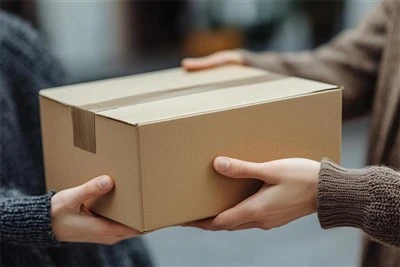
First, let’s get the basics straight for anyone brand new. When I chat with beginners, the first thing they don’t get is what each model actually means. Dropshipping, for those who don’t know, is when you don’t hold any inventory. When a customer buys something from your store, you forward the order to me (or your supplier, whoever that ends up being), and I ship it directly to their door. You never touch the product, never pay for stock upfront. Wholesale? That’s when you buy bulk products from a supplier—say, 50 phone cases for $5 each, then you turn around and sell them for $15 each, storing ’em in your garage, spare bedroom, or a cheap storage unit, and handling all the shipping yourself later.
Now, let’s break this down for beginners specifically, because what works for a big established brand? Total different story. I see so many new sellers jumping into wholesale because they think “I’ll make more money” or “it’s more legitimate.” But wait—hold up. Let’s start with the barriers to entry, because that’s make-or-break when you’re just starting out.
For dropshipping: The upfront cost is almost zero. Literally, you can set up a Shopify store for like $30 a month, add products from my catalog, and start marketing. You don’t need to fork over hundreds or thousands of dollars for stock, which is huge if you’re working a 9-5 and can’t drop $2,000 on inventory right away. I’ve had beginners who start with $100 total budget, that’s it. That’s a game changer for someone who doesn’t have extra cash lying around to burn. But wait—there are catches here. The profit per sale is way lower than wholesale. When you sell a phone case via dropshipping, you’re probably making $3-$4, because I’m marking it up a little for handling, or shipping costs are split between you and me. With wholesale, if you buy 50 cases for $5 each, you could sell each for $12-$15, that’s a $7-$10 profit per unit, right? But here’s the thing: you have to sell all 50 just to break even on your initial $250 investment. If only 10 people buy, you’re sitting with 40 cases you can’t move, out $200. That’s a risk most beginners can’t afford.
Next up, ease of operations. Let’s be real, you’re not a supply chain expert when you start. Dropshipping takes so much off your plate. When a customer complains, you shoot me a text or an email, and I handle returns, wrong orders, damaged items. I send tracking numbers straight to your customers, so you don’t have to do a thing. I even handle packaging design—if you want custom inserts, I can add that without you dealing with a printer or a fulfillment warehouse. For wholesale, all that’s on you. You have to package every order, print shipping labels, deal with lost packages, chase down customers who don’t want to return stuff. I’ve seen beginners quit after a week because they spent 3 hours one night printing labels and wrapping 20 skincare products in bubble mailers—total grind that no one tells you about.
But let’s not act like dropshipping is perfect. The biggest con I see beginners face is control. Because you don’t hold the inventory, you’re at the mercy of your supplier (that’s me, in this case) for stock levels. If a product is out of stock in my warehouse, your store’s listing will say “in stock” and then you have to tell customers it’s delayed. That can tank your reviews fast. Also, shipping times—if I’m a little backed up, customers get their orders in 10 days instead of 3, and they blame you, not me. I try my best to keep things fast, but that’s a risk with dropshipping. With wholesale, you have full control: you can stock whatever you want, set your own shipping times, offer faster delivery if you pay for premium. But again, that comes with the inventory risk.
Wait, let’s talk about learning, because that’s what beginners should care about most, not just profit. When you’re starting, you want to learn what sells, how to market online, how to run customer service. Dropshipping lets you test 10 different products with almost no risk. Let’s say you think neon fanny packs are trendy—you list 5 different designs in your store, spend $50 on Instagram ads, and if none sell, you just delete the listings, no lost money. If you did wholesale, you’d have to buy 100 of each, that’s $5,000 gone before you even know if people want fanny packs. That testing phase is make or break for new sellers. Most people don’t nail their first product, so being able to test cheap is way better when you’re new.
But what if you want to scale later? That’s where it gets tricky. Dropshipping can work for scaling, but only if you find a reliable supplier like me who can handle big orders. I’ve had a customer who started dropshipping custom dog beds, sold 50 in a month, then 500 the next—we just adjusted our inventory and shipping, and they didn’t have to change a thing. With wholesale, scaling means buying way more stock, which ties up way more cash. But once you hit a certain volume, wholesale might have lower per-unit costs, so you make more profit per sale. But again, that’s later. For beginners, you’re not at that volume yet.
Let me throw in some real examples from people I’ve worked with, because I don’t want this to be just theory. Last year, a guy named Jake started with dropshipping from me—he sold eco-friendly kitchen gadgets. He had a $150 budget for ads, listed 3 products, and made $800 in his first month. He had no inventory risk, worked 2 hours a day on his store, and still had his full-time barista job. Then, after 6 months, he decided to move to wholesale, because he was making consistent sales and could afford to buy 200 units. That worked for him, but if he’d tried wholesale first, he would have had to spend $1,000 upfront, and if the first month flopped, he’d be out of cash. Another example: a mom named Sarah who wanted to make extra money for her kid’s daycare. She tried dropshipping kids’ clothes, made $300 in her first month, no stress, no storing stuff in her basement. She never switched to wholesale because the dropshipping model worked for her side hustle.
Now, let’s get to the mistakes beginners make. A lot of new sellers I talk to think dropshipping is a “get rich quick” scheme, which it’s not. You still have to do the work—take photos of products, write good descriptions, run ads, respond to customers. And a lot of suppliers aren’t as reliable as me—they’ll send broken products, take weeks to ship. But if you pick a good supplier, which is key, dropshipping is way easier for beginners. The other mistake: some people write off dropshipping entirely because they hear about people who failed, but most of those failures were because they didn’t test products, didn’t market, or picked a bad supplier.
Wait, what about brand building? If you want to build a real brand, not just a random store, which is better? With wholesale, you can put your own logo on products, control the packaging, create a consistent brand experience. With dropshipping, you can do that too—most good suppliers (that’s me) offer private labeling, so you can add your brand name to the product. So that’s not a big con anymore, if you pick the right supplier. I’ve had sellers do their own custom inserts, brand their orders, and it looks like they’re the ones handling everything, not the supplier. That’s a big win for dropshipping now, way different than it was 5 years ago when private labeling was hard to find.
Let’s wrap this up, because I know you just want a clear answer. For 90% of beginners, dropshipping is the better pick. Why? No upfront inventory cost, low risk, easy to operate, perfect for testing what sells, lets you learn the ropes without tying up all your cash. Wholesale is only better if you have at least $1,000 to spend on inventory already, know exactly what product will sell (no testing needed), and don’t mind handling all the shipping and customer service. For someone who’s never sold online before, that’s a tiny percentage of beginners.
Express FEDEX But here’s the thing: dropshipping only works if you have a good supplier. That’s where I come in. If you’re a beginner who’s tired of sc sketchy suppliers, worried about holding inventory, or just don’t want to deal with the hassle of storing and shipping products, I’m your guy. I have a huge catalog of products, fast shipping, private labeling options, and I handle all the order fulfillment so you can focus on marketing your store, not wrapping boxes. If you’re ready to stop overthinking and start your store, hit me up to chat more—no pressure, just real advice for new sellers.
References
- Ecommerce Fuel. (2024). Beginner’s Guide to Dropshipping vs Wholesale for Online Stores.
- Shopify. (2024). 2024 Small Business Ecommerce Trends for New Sellers.
- Oberlo. (2023). Risk Assessment for New Ecommerce Models: Dropshipping vs Inventory-Based Retail.
- NerdWallet. (2024). Low-Upfront-Cost Business Ideas for Side Hustles in 2024.
- Small Business Administration. (2023). Cost Considerations for Starting an Online Retail Business for Beginners.
Foshan Shijie International Logistics Co., Ltd.
With abundant experience, we are one of the most professional dropshipping service suppliers in China. We are committed to offering reliable dropshipping service and logistics solutions with low price. If you have any enquiry about quote, please feel free to email us.
Address: Room 701A, Office Building, Jinbo Commercial Center, No.88, Guiye Road, Guicheng Street, Nanhai District, Foshan City, Guangdong Province
E-mail: alicesmith.tradingbusiness@gmail.com
WebSite: https://www.fsshijielogistics.com/
