If you’ve ever worked on plumbing, HVAC, or metal fabrication, odds are you’ve heard the terms “pipe thread cutter” and “threaded cutter” thrown around a lot. At first glance, they might seem like the same tool—both cut threads into metal, right? But here’s the thing: I’ve seen way too many folks mix these up, and even a few guys make costly mistakes on job sites because they grabbed the wrong one. I own a threaded cutter supply company, so I’ve spent years talking to tradespeople, fixing botched cuts, and figuring out exactly how these two tools differ. Let’s break this down like we’re chatting over coffee on a job break, no stuffy industry jargon allowed. Threaded Cutter
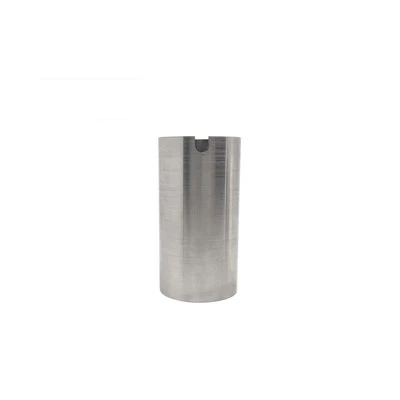
First, let’s get clear on what each tool is, down to the nitty-gritty. Pipe thread cutters, also sometimes called pipe dies or threaders, are made specifically for working with pipe. What’s pipe, you ask? It’s that hollow, cylindrical stuff you use for water lines, gas lines, or drainage—usually mild steel, galvanized steel, or even PVC if you’re using a threading adapter. The whole point of a pipe thread cutter is to carve cone-shaped threads onto the outside of pipe ends so you can screw two pipes together tight, no leaks. Think of it like a giant metal nut, but you’re cutting the threads onto the pipe itself. Most pipe thread cutters come in sets, right? Like, you’ve got a die head that fits onto a pipe wrench or a power threader, and a set of round dies that snap into the head. Each die is sized for a specific pipe diameter—½ inch, ¾ inch, 1 inch, all that.
Now, a threaded cutter (the kind I supply) is a way more general tool, though it’s still for cutting threads. The big difference here is that it doesn’t just work on pipe. Threaded cutters can cut threads onto solid metal rods, bolts, studs, even small shafts. Wait, hold on—solid rods aren’t pipe! That’s the key. Pipe is hollow, so pipe thread cutters have that cone shape to account for the pipe’s wall thickness and the way threads flare slightly for a watertight seal. Threaded cutters, on the other hand, are made for cylindrical workpieces that are solid, so their threads are straight, not tapered. Those straight threads are for things like mounting brackets, connecting two solid metal parts, or making custom bolts. I’ve even seen them used for threading wooden dowels for furniture builds, though most people use them for metal.
Let’s talk about the design next, because that’s where the real magic (and the confusion) happens. Pipe thread cutters have tapered dies, right? Each die has a slight angle, like a tiny cone, so when you run it along the end of a pipe, the threads get smaller as you go back toward the pipe. That taper is intentional—when you screw two tapered pipe threads together, the pressure of the threads squeezing against each other creates a seal, so you don’t need a ton of Teflon tape or pipe dope (though everyone uses that anyway, let’s be real). If you tried to use a standard threaded cutter on a pipe, you’d cut straight threads, and those would never seal right. A gas line would leak, a water line would drip, and you’d be redoing the whole thing. That’s a mistake I’ve seen so many new plumbers make—they grab their general threaded cutter because it’s the one they have lying around, and end up with a call-back.
Threaded cutters, though, have straight dies or straight threading inserts. No taper, just uniform threads along the entire length you’re cutting. They’re made to be more versatile, too. You can get hand-held ones for small jobs (like a tap and die set, which most DIYers have in their garage) or power-driven ones for big jobs, like threading 2-foot steel rods for a construction frame. I’ve sold a lot of these to fabricators who make custom railings—they’ll thread a solid steel rod, then attach brackets to either end without worrying about taper messing up the fit.
Let’s get into use cases, because that’s how you tell which tool you need. If your job is plumbing—fixing a leaky bathroom pipe, running a new gas line for a water heater, or connecting two drain pipes—you need a pipe thread cutter. No exceptions. I once had a customer who tried to use a threaded cutter on a 2-inch galvanized pipe for a kitchen sink remodel. He said the threads looked fine, but when he turned on the water, it sprayed out the back of the joint. Turned out the straight threads never sealed, and he had to tear out half his under-sink cabinet to fix it. That cost him way more than if he’d just grabbed a pipe thread cutter from the start.
For threaded cutters? Think fabrication, metalworking, automotive, even some electrical work. If you’re building a fence and need to thread steel posts to attach crossbars, you use a threaded cutter. If you’re making a custom bolt for a machine that keeps breaking stock bolts, you use a threaded cutter. Even auto mechanics use them to fix stripped bolt holes in engine blocks, or to make replacement studs that hold parts together. The other day, I sold a set of our heavy-duty threaded cutters to a guy restoring a vintage truck—he needed to thread some solid steel rods to replace the rusted brackets holding the front bumper. Pipe thread cutters would’ve been useless there, because the brackets needed straight, uniform threads to fit the mounting holes.
Now, let’s talk about common misconceptions, because there’s a lot of wrong info out there. First: people think “pipe thread cutter” and “threaded cutter” are the same because both cut threads. Nah, that’s like saying a hammer and a screwdriver are the same because both drive fasteners. Second: some folks think pipe thread cutters can cut straight threads and vice versa. No, not really—even if you grind off the taper on a pipe die, it won’t cut straight threads correctly, and you’ll ruin the die fast. The cutting edges are shaped specifically for their purpose; change the shape, and you’ll get uneven, messy threads that won’t fit right. Third: power vs manual. You can get both tools as manual (hand-cranked) or power-driven. A manual pipe thread cutter is great for small jobs, but if you’re threading 4-inch pipe for a commercial building, you’re bringing out the power threader. Same with threaded cutters—manual taps and dies for small rods, power threading heads for large steel beams.
Wait, another big point: material compatibility. Pipe thread cutters are built for pipe materials, usually steel, galvanized steel, sometimes cast iron. Some even work on PVC with the right adapter. Threaded cutters can handle way more—stainless steel, aluminum, brass, even bronze, and like I said earlier, occasionally wood. I always tell customers to check the manufacturer’s specs, but in general, if it’s a hollow pipe, stick to pipe thread cutters; if it’s solid, go with a threaded cutter.
Let me throw in a quick example to make this real. Last summer, I worked with a local HVAC company on a job installing a new AC unit. They needed to run 1½-inch copper pipe for the refrigerant lines, and ¾-inch black steel pipe for the condensate drain. The tech grabbed a pipe thread cutter for the steel pipe, which was perfect—he cut the tapered threads, screwed the two pipes together, and there were no leaks. For the copper pipe, though, he used a flaring tool, not a cutter, but that’s a whole other thing. If he’d tried to use a threaded cutter on the steel pipe? He would’ve had straight threads, and that condensate line would’ve leaked all over the basement, causing water damage. That’s a $2,000 mistake right there, just from grabbing the wrong tool.
Now, as someone who sells threaded cutters, I don’t want to make it sound like pipe thread cutters are useless—far from it. They’re specialized tools, and you can’t replace a pipe thread cutter with a threaded cutter for plumbing jobs. But a lot of people don’t need pipe thread cutters for every job, so it’s important to know when to use which. I’ve had customers come to me saying they used my threaded cutters for a pipe job and it worked, but nine times out of ten, that’s a small pipe (like ½ inch) where the taper is barely noticeable, so it kind of works. But on larger pipes, it’s a disaster.
Another thing to consider: thread standards. Pipe threads follow specific standards, like NPT (National Pipe Thread) in the US, which are tapered. Threaded cutters usually follow UNC (Unified National Coarse) or UNF (Unified National Fine) standards, which are straight. That’s why a pipe thread won’t match a threaded cutter thread—different standards, different shapes. If you try to screw a pipe with straight threads, it won’t pull tight because the taper is missing. If you try to use a pipe thread on a solid rod, the tapered ends would leave too little thread at the end, so it would pull out of the hole.
Okay, let’s wrap this up with some quick takeaways so you don’t forget:
- Pipe thread cutters = for hollow pipe, tapered threads, for plumbing/gas lines/drainage.
- Threaded cutters = for solid rods/bolts, straight threads, for fabrication/auto/construction.
- Never mix them up—you’ll end up with leaks, broken parts, or call-backs.
- Check your material: hollow = pipe cutter, solid = threaded cutter.
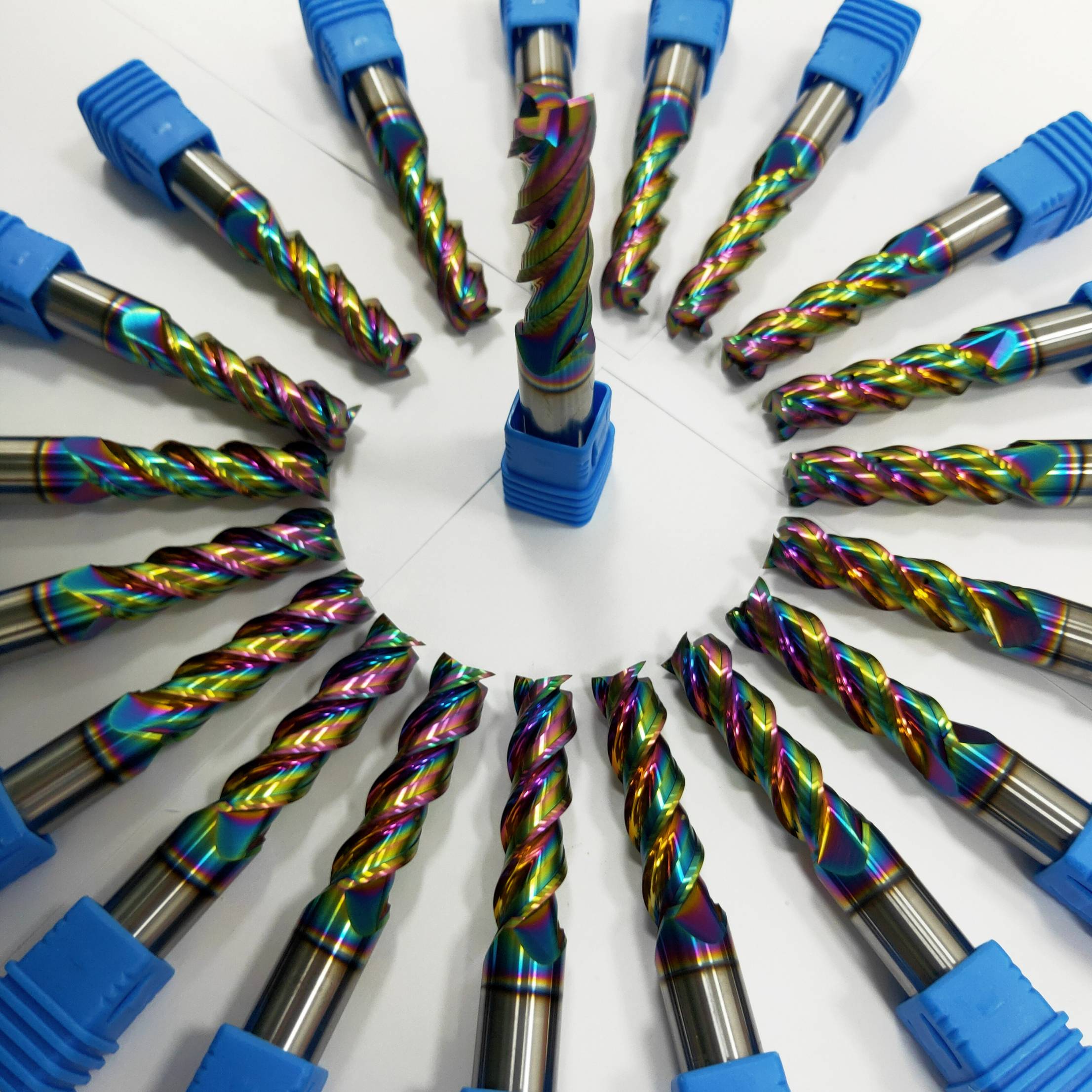
Now, if you’re in the market for reliable threaded cutters—whether you’re a tradesperson, a fabricator, a DIYer who’s tired of botched thread jobs, or someone who just needs a consistent tool for solid materials—we’ve got you. Our threaded cutters are made with high-grade steel, sharp cutting edges that stay sharp longer than the cheap ones you find at big box stores, and they work with both manual hand tools and power threaders. We’ve got sets for every size rod, from tiny ¼-inch bolts up to 2-inch thick steel studs. If you’re not sure which cutter you need, just reach out—we’re not sales guys who will push you to buy something you don’t need. We’ve been doing this for years, and we know how frustrating it is to waste time and money on the wrong tool.
Don’t let confusing tool names turn a simple job into a headache. Grab the right cutter the first time, and you’ll finish faster, avoid mistakes, and have a job that lasts. If you’re ready to get pricing, ask about bulk orders, or just pick our brains about which threaded cutter works best for your project, get in touch. We’re here to help you get the job done right.
Valve Seat Tools References
- National Institute of Standards and Technology. (2020). Unified Thread Standard (UTS) and National Pipe Thread (NPT) Specifications.
- Machinery’s Handbook (31st ed.). Industrial Press Inc. (2020).
- ASME B1.20.1-2013. (2013). Pipe Threads, General Purpose (Inch). American Society of Mechanical Engineers.
Kunshan Zhiyi Dingli Cemented Carbide Tool Co., Ltd.
We are one of the most professional threaded cutter manufacturers and suppliers in China, also support customized service. We warmly welcome you to wholesale high quality threaded cutter made in China here from our factory. If you have any enquiry about cooperation, please feel free to email us.
Address: No.80 Chuangfu Road, Qiandeng Town, Mondragon Industrial Park, Kunshan City, Suzhou, Jiangsu, China.
E-mail: 2060056236@qq.com
WebSite: https://www.kszydl.net/
