Hey everyone, if you’re deep in the offshore energy game, you know offshore pipeline reinforcement mesh isn’t just some random metal grid you slap on a pipe and forget about. As someone who’s been in the offshore pipeline reinforcement mesh supplier game for over a decade, I’ve seen way too many crews cut corners on maintenance here—only to end up with way bigger headaches down the line. Last year alone, I got three frantic calls from operators who thought their mesh was fine, only to find out corrosion or debris had gnawed through sections, causing pipeline pressure drops that cost them tens of thousands in downtime. So let’s cut the jargon and break down exactly what maintenance your offshore pipeline reinforcement mesh actually needs. No fancy corporate fluff, just real stuff I’ve learned out on the water. Offshore Pipeline Reinforcement Mesh
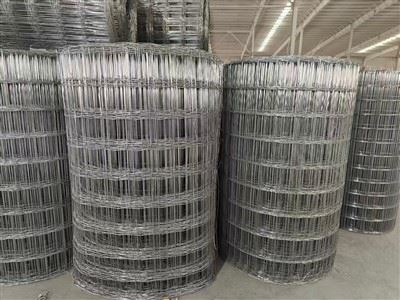
First, let’s get one thing straight: reinforcement mesh isn’t just for structural support. Sure, it keeps the pipeline from bowing under seabed shifts or trawler anchors, but it’s also your first line of defense against corrosion—seawater is brutal, and if the mesh’s coating cracks, it’s not just the mesh that gets eaten away. So maintenance starts with consistent, regular inspections—but not just any inspections. I’ve seen guys show up once a year, snap a few blurry photos, and call it done. That’s a mistake. For most offshore sites, especially those in shallow waters (less than 100 meters), you should be doing physical inspections every six months, and remote checks with ROVs (remotely operated vehicles) in between. Wait, but how do you inspect the mesh when it’s wrapped around a 12-inch pipeline 50 meters below the surface? That’s where I come in—most of my clients use the custom-coded mesh tags we install at every seam, which sync with their ROV software to pinpoint exactly where the mesh is. No more guessing if that dark spot is rust or barnacles.
Let’s talk about the big one: corrosion monitoring. Offshore saltwater is a corrosive monster, but not all corrosion is the same. There’s uniform corrosion that eats away evenly, and pitting corrosion that creates tiny, deep holes—those are the worst, because they don’t show up until the mesh is almost failing. So during inspections, you need to test for both. For uniform corrosion, we recommend using ultrasonic thickness gauges on every third mesh panel—easy to do if you have a small ROV with a manipulator arm. For pitting, magnetic flux leakage testing is your go-to; it can detect tiny, hidden pits that visual checks will miss. Last month, a client in the North Sea used this method and found a 2mm deep pit in a mesh panel that had been on their pipeline for 7 years. If they’d waited another year, that pit would’ve been 5mm, weakening the mesh by 30% minimum. Pro tip: mark every corroded panel with the mesh tags, so you can track how fast it’s degrading over time. That way, you can plan replacements before it’s an emergency.
Next up, biofouling—barnacles, mussels, algae, all that gross sea gunk that sticks to the mesh. At first, it might not seem like a big deal, but when barnacles grow in clusters, they add weight to the mesh, which puts extra stress on the pipeline’s welds. I once had a client in the Gulf of Mexico who skipped fouling maintenance, and their mesh ended up with so many oysters (yes, oysters—shallow waters are wild) that the pipeline sagged 2 meters. They had to send a whole crane ship out, which cost way more than if they’d just blasted the mesh once a year. So how do you handle fouling? There are two methods, and it depends on your location. For shallow, warm waters (like the Gulf), you can do mechanical cleaning with high-pressure ROV water jets—just make sure the pressure is under 10,000 PSI, too much will scratch the mesh’s protective coating. For colder, deeper waters, chemical cleaning with a bioocide that’s safe for marine life is better; just check local regulations, because some places have strict rules on what you can dump in the ocean. Another trick: the mesh we supply has a special anti-fouling coating that cuts down on growth by 40%—but it’s not magic, you still need to clean it regularly.
Then there’s mechanical damage. Offshore sites are chaotic—trawler nets dragging, anchor drops, seabed rock shifts. I’ve seen mesh torn by trawl doors so big you could fit a truck through the gap. The key here is to catch damage early, before it spreads. During inspections, you need to look for tears, bent mesh wires, or gaps where the mesh has pulled away from the pipeline. If you find a small tear (less than 10cm), you can patch it on-site with a stainless steel mesh clamp set—easy for ROVs to install in an hour. But if the tear is bigger than 30cm, or the mesh is pulling away in a whole section, you’ll need to do a partial replacement. Pro tip: keep a stock of replacement mesh panels and clamps at your onshore base, and make sure they’re the exact same size and coating as the original mesh—mixing different materials can cause galvanic corrosion, which will destroy both the old and new mesh. I once had a client use a cheaper mesh for a replacement, and within two years, the whole section had corroded because of dissimilar metals. Don’t do that.
Wait, what about the connections? The mesh isn’t just wrapped around the pipe—it’s connected at the seams, right? Those connections are often overlooked. Bolts can work loose from wave motion, welds can crack, or the clamps we use can corrode. So during every inspection, you need to check every connection for tightness and corrosion. For bolted seams, use a torque wrench on the ROV to make sure bolts are at the specified torque—usually around 50 Nm. If a bolt is corroded, replace it with a stainless steel bolt, not a galvanized one—galvanized bolts don’t hold up as well in deep saltwater. And for welded seams, do a magnetic particle test to check for cracks—those tiny cracks will turn into full breaks if you ignore them. I’ve seen a seam crack that was just 1mm wide turn into a 1-meter break in 6 months, all because no one checked the connections.
Now, let’s talk about maintenance schedules tailored to different sites. Because a pipeline in the North Sea is way different than one in the Mediterranean. For shallow waters (less than 100m) with high boat traffic: inspect every 6 months, clean for biofouling once a year, test corrosion every 12 months. For deep waters (over 500m) with low traffic: inspect every 12 months, clean every 2 years, test corrosion every 18 months. But even deep sites need to watch for seismic activity—if there’s an earthquake or a large storm, do an emergency inspection right after. Storm swells can move seabed sediment, which can abrade the mesh or pull it away from the pipeline. Last year, a hurricane in the Caribbean moved a pipeline’s mesh 15 meters, and if they’d waited 6 months for their regular inspection, the whole pipeline would’ve failed.
What about documentation? I can’t stress this enough. Every inspection, every cleaning, every repair needs to be logged. Write down where the mesh was, what condition it was in, what work you did, and when the next check is. I have a client who uses a simple Google Sheet (no fancy software needed) that tracks every mesh panel on their 10 pipelines—they can pull up the condition of any panel in 2 minutes. When they had to replace a section last year, they had all the data to show their insurance provider that maintenance was done, so they got full coverage. If you skip documentation, you’re setting yourself up for a fight if something goes wrong.
Wait, let’s address a common myth: some operators think they can leave the mesh on during a pig run. No, wait—pigs are the cleaning devices that go through pipelines, and they can tear mesh if you don’t remove it first. So before every pig run, you need to remove the mesh from that section of pipeline, or install temporary mesh guards to protect the existing mesh. I’ve had clients who forgot this and their mesh got torn up by a pig, costing them $200k in repairs. That’s a costly mistake.
Another thing: environmental factors. If your pipeline is near a river delta, there’s way more sediment in the water, which abrades the mesh. You’ll need to do more frequent cleaning—maybe every 8 months—because sediment wears down the protective coating. And if you’re in an area with lots of ice (like the Baltic Sea), icebergs can scratch or tear the mesh, so inspections after ice melt are non-negotiable. I had a client in the Baltic who lost a whole mesh section to an iceberg, and they didn’t do an inspection after melt—so their pipeline corroded from the exposed section for a year before they noticed.
Now, let’s talk about what not to do. Don’t use cheap, untested mesh for repairs—we’ve all heard horror stories of replacement mesh falling apart in a year. Don’t skip inspections “because the pipeline is working fine”—until it’s not. Don’t ignore minor corrosion or small tears—they only get worse, faster. And don’t wait for a big storm to do an inspection—do it before, so you can fix any issues the storm might cause.
If you’re reading this and thinking, “This sounds like a lot of work,” that’s fair. Offshore maintenance is never easy, but it’s way cheaper than the alternative. As your offshore pipeline reinforcement mesh supplier, I make sure every mesh we send is built to last, with custom tags that make inspections easier, and I’m always here to help with maintenance plans tailored to your site. Whether you need advice on corrosion testing, replacement parts, or even a full maintenance audit for your entire pipeline fleet, just reach out. We don’t do pushy sales stuff—we’ve been in this long enough to know that good relationships come from helping you avoid costly mistakes.

Look, I’ve seen too many operators take their pipeline mesh for granted, and it always backfires. The key is consistent, targeted maintenance—inspections every six months, corrosion testing, biofouling cleaning, checking connections, and documenting everything. It’s not rocket science, but it does require paying attention to the small details that make a huge difference. If you’re ready to get your mesh maintenance on track, or if you need new reinforcement mesh that’s built to withstand whatever the ocean throws at it, just get in touch. No fine print, no hidden fees—just real solutions for real offshore problems. Let’s keep your pipelines running smoothly, no surprises.
Offshore Pipeline Reinforcement Mesh References:
- Offshore Pipeline Maintenance Best Practices. International Association of Oil & Gas Producers (IOGP), 2022.
- Corrosion Control for Offshore Steel Structures. NACE International, 2021.
- Biofouling Impacts on Subsea Infrastructure. Marine Technology Society Journal, Vol. 55, No. 3, 2020.
- Subsea Mechanical Damage Detection and Repair. Subsea Engineering Magazine, Q2 2023.
Hengshui Anbang Road and Bridge Material Co., Ltd.
As one of the most professional marine engineering metal meshmanufacturers and suppliers in China, we’re featured by quality products and good service. Please rest assured to wholesale bulk customized marine engineering metal mesh from our factory. For pricelist, contact us now.
Address: Zhaobazhuang Wire Mesh Industrial Park, Shenzhou City, Hengshui City, Hebei Province
E-mail: 13482929933@163.com
WebSite: https://www.cnanbang.com/
