If you’ve ever stared at a shelf of dried shiitake or oyster mushrooms in your pantry, wondering if that earthy, umami-packed ingredient could actually help you stick to your weight loss goals, you’re not alone. As someone who’s spent the last decade working with dried edible fungi—first as a forager’s apprentice, then as the owner of a small, family-run supplier—I get this question all the time. I’ve had customers reach out, frustrated after weeks of restrictive diets that left them hungry, low on energy, and questioning if “healthy” food ever tastes good enough to stick with. That’s why today, I want to break down the science behind dried fungi and weight loss, share what I’ve learned from working with these products day in and day out, and set the record straight on whether they deserve a spot in your meal plan. Dried Edible Fungi
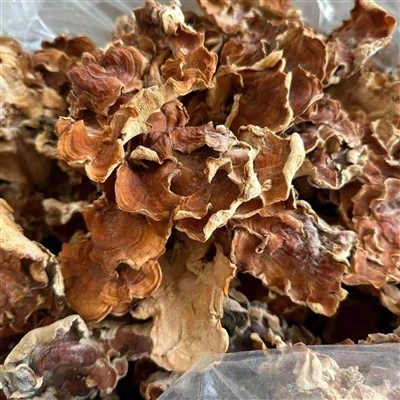
First, let’s get one thing clear: weight loss isn’t about cutting entire food groups. It’s about creating a sustainable calorie deficit while nourishing your body with nutrients that keep you full, stabilize your blood sugar, and support digestion. That’s exactly where dried edible fungi shine—they’re a nutritional powerhouse that checks so many of the boxes most dieters struggle with. Let’s start with the big one: fiber. I don’t just mean a handful of generic plant fiber, either. Dried fungi are packed with a unique type of soluble fiber called beta-glucan, a compound that’s been studied extensively for its impact on appetite and metabolism. A 2017 study in Nutrients found that beta-glucan from mushroom sources slows down the emptying of your stomach, which means you feel full longer after eating—no more mid-afternoon crashes where you’re grabbing a candy bar just to make it to dinner. For context, a 1-ounce serving of dried shiitake mushrooms has about 10 grams of dietary fiber, almost 40% of the daily recommended intake for women and 25% for men. Compare that to a slice of whole-wheat bread, which has just 2 grams per slice, and you start to see why dried fungi are such a game-changer.
But fiber isn’t the only trick these fungi have up their caps. Protein is another big one. When I was training with that forager years ago, he’d always say, “If you want to stay full, eat food that feels like food.” Processed “diet” foods are often loaded with empty carbs that spike your blood sugar, but dried fungi offer a complete, plant-based protein that’s rare in non-animal products. A 3-ounce rehydrated serving of dried oyster mushrooms has about 3 grams of protein, while dried morels clock in at around 4 grams per ounce. That’s not as much as chicken or beans, but when you pair them with other whole foods—like adding rehydrated dried porcini to a quinoa salad or tossing shiitake into a stir-fry with brown rice—they add up to a meaningful amount of protein that supports muscle maintenance. Why does that matter for weight loss? Muscle tissue burns more calories at rest than fat tissue, so preserving muscle while you lose weight means you’re not slowing down your metabolism. I’ve seen this firsthand with customers who add dried fungi to their meals: they don’t feel like they’re depriving themselves, and they’re able to keep up with their workouts because their energy levels stay steady, not spiking and plummeting.
Another underrated benefit of dried edible fungi for weight loss is their low energy density. Energy density refers to the number of calories per gram of food, and foods with low energy density help you eat a larger volume of food without consuming too many calories. A 1-ounce serving of dried shiitake is only about 30 calories, and when you rehydrate it with water, it expands to about 3 ounces—meaning you get a satisfying, hearty portion for just a handful of calories. That’s a huge win for anyone who’s ever felt like they’re “starving” on a diet, because you can fill half your plate with rehydrated fungi paired with vegetables and whole grains, and still stay within your calorie limit. I often recommend to my customers that they use dried fungi as a meat substitute in dishes like spaghetti bolognese or chili—adding a cup of rehydrated dried portobello mushrooms to a pot of chili gives the dish a meaty texture and umami flavor, cutting down on the amount of ground beef you need by half, while keeping the meal satisfying and low in calories.
But here’s the thing I always make sure to tell people: not all dried fungi are created equal, and how you use them matters just as much as the fungi themselves. I’ve seen too many people mistake salted, processed dried mushroom snacks for the whole, unadulterated product we supply. Those pre-packaged mushroom chips or seasoned sticks are often loaded with added salt, sugar, and artificial flavors that can work against your weight loss goals—excess salt causes water retention and can spike cravings, while added sugar adds empty calories that don’t keep you full. That’s why when I talk about dried edible fungi for weight loss, I’m talking about the plain, unseasoned, whole dried products we source from small farms across North America and Europe, not the fancy packaged snacks you see at gas stations. We take great care in our process: we harvest the mushrooms at their peak freshness, gently dry them at low temperatures to preserve all their nutrients, and skip any added fillers, preservatives, or seasonings. When you cook with our dried fungi, you control what goes into your meal—you can season them with herbs, garlic, and a dash of olive oil, keeping the dish healthy and tailored to your taste.
I also want to address a common myth I hear all the time: that dried fungi are less nutritious than fresh ones. As someone who’s handled thousands of pounds of dried and fresh mushrooms over the years, I can tell you that’s not true. The drying process actually concentrates many of the beneficial compounds in mushrooms—including beta-glucan, B vitamins, and minerals like selenium and potassium. Fresh mushrooms are about 90% water, so when you dry them, the nutrients become more densely packed. A 2019 study published in Journal of Agricultural and Food Chemistry found that dried shiitake mushrooms have higher levels of ergothioneine, an antioxidant that helps reduce inflammation in the body, than fresh shiitake. Chronic inflammation is linked to weight gain and difficulty losing weight, so that’s another added benefit of choosing dried fungi. Plus, dried fungi have a longer shelf life than fresh ones—you can store them in your pantry for up to a year, so you always have a nutrient-dense ingredient on hand, no more throwing away slimy fresh mushrooms that went bad before you could use them.
Of course, it’s important to keep things realistic. Dried edible fungi aren’t a magic weight loss pill. If you eat a diet full of processed junk and skip physical activity, adding mushrooms to your meals won’t make the pounds melt away overnight. But when used as part of a balanced, whole-food-based diet, they’re a powerful tool that makes weight loss feel sustainable, not like a punishment. For me, that’s the biggest difference: so many diets today are all about restriction, but dried fungi fit into a way of eating that’s enjoyable, flavorful, and nourishing. I have a regular customer who’s been buying our dried oyster mushrooms for over two years—she told me that when she started adding them to her morning omelets and evening stir-fries, she didn’t even notice she was eating fewer calories. She lost 30 pounds over six months, and more importantly, she kept it off because she didn’t feel like she was depriving herself. That’s the kind of result I care about, not quick fixes that lead to rebound weight gain.
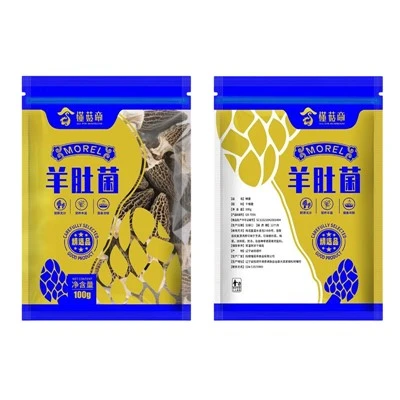
If you’re ready to add dried edible fungi to your weight loss meal plan, here are a few tips I’ve picked up over the years: first, invest in good quality dried fungi—cheap, mass-produced ones often have a bitter taste and lose most of their nutrients. We source our mushrooms from small, sustainable farms that practice organic growing methods, so you know you’re getting a pure product. Second, rehydrate them properly: most dried fungi need to be soaked in warm water for 15 to 20 minutes before cooking. Save that soaking water! It’s packed with umami flavor and nutrients, so you can use it as a base for soups, stews, or sauces instead of adding broth loaded with sodium. Third, get creative with how you use them: add rehydrated dried morels to a creamy pasta, toss dried shiitake into a quinoa bowl with roasted vegetables, or use dried porcini to make a rich, flavorful mushroom rice that’s way more satisfying than plain white rice.
Cordyceps & Wellness Mushrooms At the end of the day, weight loss is about finding what works for you, and dried edible fungi are a versatile, nutrient-dense ingredient that can fit into almost any eating style. Whether you’re a vegetarian looking for plant-based protein, a busy parent needing quick, hearty meals, or someone who’s tried diet after diet and is ready for something that actually tastes good, dried fungi are worth giving a try. If you’re a business looking to incorporate high-quality dried edible fungi into your products, or if you’re a consumer ready to stock your pantry with this weight-loss-friendly staple, we’d love to connect. We work with cafes, restaurants, health food stores, and individual customers to provide pure, sustainably sourced dried fungi that meet your needs. Reach out to us to learn more about our products, or to discuss how we can partner to bring these amazing ingredients to more people looking to eat healthier, lose weight, and enjoy their meals.
References
- Kim, S., et al. (2017). Beta-Glucan from Mushroom Source: A Review of Its Physiological Functions and Applications. Nutrients, 9(10), 1127.
- Zhang, Y., et al. (2019). Effect of Drying Methods on the Nutraceutical Properties of Shiitake Mushrooms (Lentinus edodes). Journal of Agricultural and Food Chemistry, 67(32), 8892-8901.
- Slavin, J. L. (2005). Fiber and Prebiotics: Mechanisms and Health Benefits. Nutrition Journal, 4(1), 1-11.
- Pennings, B., et al. (2014). Protein Quality of Mushrooms: A Review. Journal of the Science of Food and Agriculture, 94(15), 3051-3058.
Qingyuan Manchu Autonomous County Lichang Native Produce Co., Ltd.
We are one of the most professional dried edible fungi manufacturers and suppliers in China, featured by quality products and good price. Please rest assured to wholesale bulk dried edible fungi for sale here from our factory. Welcome to view our website for more information.
Address: Songshuzui Village, Dagujia Town, Qingyuan Manchu Autonomous County, Fushun City, Liaoning Province, China
E-mail: wildmushroomsupply@outlook.com
WebSite: https://www.wildmushroomsupply.com/
