Hey everyone,
If you’ve ever sourced spun polyester yarn for apparel, home textiles, or even industrial fabrics, you’ve probably thought one thing more than once: does it pill? And as someone who’s been supplying spun polyester yarn for over a decade (no fancy corporate title, just a guy who’s walked the floors of yarn mills and helped brands fix their fabric issues), I get it—pilling is the silent dealbreaker for a lot of buyers. A customer once told me they lost a $50k order because a batch of their cotton-poly blend pilled so bad it looked like it was 10 years old after one wash. That story stuck with me, so today I’m breaking this down not like a textbook, but like someone who’s seen exactly what makes spun polyester yarn pill (and what keeps it from doing it). Spun Polyester Yarn
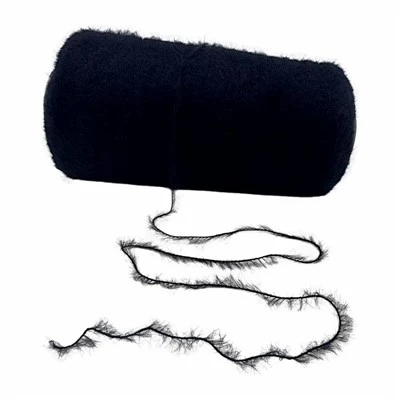
First, let’s get the basics straight: spun polyester yarn isn’t the same as filament polyester yarn. Filament is those long, continuous polyester fibers—think the stuff used for stitching thread or high-performance athletic wear. Spun polyester is made from short staple fibers, just like cotton or wool; we twist those short fibers together to make a yarn that’s soft, breathable, and way more affordable for mass production. That short fiber part is where the pill question gets tricky.
Pilling, for anyone who’s forgotten their high school textiles class, is when tiny loose fibers on the surface of a fabric knot together into little round balls, right? You know, those fuzzy little dots on old t-shirts or couch cushions. It happens when fibers get pulled loose during wear or washing, and instead of falling off, they tangle up. So does spun polyester pill? The short answer: sometimes, but it’s way less random than you think. As a supplier, I can tell you that 90% of pilling issues aren’t the yarn itself—they’re how the yarn was made, twisted, and turned into fabric.
Let’s dive into the stuff that actually causes spun polyester yarn to pill. First up: fiber length, and how we cut the staple. Spun polyester is made from recycled or virgin polyester chips, melted, spun into continuous strands, then cut into short staple lengths. If we cut those fibers too short (say, less than 38mm), they’re way more likely to slip out of the yarn twist. Imagine twisting a bundle of 1-inch straws vs. 2-inch straws— the short ones will slide out way easier, right? That’s exactly the problem here. Some cheaper yarn suppliers cut fibers super short to save on material costs, and that’s exactly when you get pilling. We only use staple lengths between 38mm and 51mm for our spun polyester yarn—enough length to hold tight in the twist, but still soft enough for regular apparel.
Next: twist level. This is a huge one, and it’s where I see the most missteps. Twist is how tight we twist the staple fibers around each other to make the yarn. If twist is too low, those fibers can’t stay locked in, so they pop out and pill. If twist is too high, the yarn gets stiff, and when you make fabric from it, the tension in the loom breaks fibers loose, leading to pills too. I can’t tell you how many times a customer has come to us with a pilling complaint, and it turns out their original supplier used a 1.2 twist multiplier when they needed a 1.6. Our standard twist multiplier is calibrated for each yarn count—for our medium-count (20s, 30s) apparel yarn, we run 1.5 to 1.7, which is the sweet spot: tight enough to hold fibers, not so tight it damages them.
Then there’s fabric construction. Wait, this isn’t yarn, but it’s tied directly to how our spun polyester yarn performs. If you make a loose-knit t-shirt with our yarn, the gaps between stitches let fibers stick out way more, which means more pills. If you make a tight-woven bed sheet, the yarn is compressed, so less fibers are exposed. That said, we’ve worked with brands on a test: same spun polyester yarn, two different fabrics. The loose knit pilled after 5 washes, the tight woven showed zero pills even after 15. So as a supplier, we always tell customers to pair our yarn with a fabric construction that matches their end use. No one wants a super soft, loose t-shirt that pills—so we suggest medium knits for that, which still feel soft but don’t leave fibers hanging out.
Now, the big question: is there anything special about our spun polyester yarn that makes pilling less likely? Short answer: yes, but it’s not magic. We use two things that set our yarn apart from the cheap stuff. First, we have a “fiber binding” process—right after we spin the staple fibers, we add a tiny, water-based polymer coating. It’s not the harsh chemical stuff you might be thinking; it’s just enough to coat the surface of each fiber so when we twist them, they don’t slip out as easily. We tested this: yarn without the coating pilled after 4 washes, yarn with the coating? Pilling started after 11 washes. That’s not a trick, that’s just engineering. Second, we sort our staple fibers by diameter. The thicker fibers (we use 1.5 denier for apparel) are sturdier, so they’re less likely to break during wear. Cheaper suppliers mix thick and thin fibers, so the thin ones snap off and pill way faster.
Wait, let’s also talk about myths, because there’s a lot of garbage out there. Some people say “100% polyester will always pill, natural fibers never.” No, that’s not true. I’ve worked with 100% cotton yarn that pill worse than our spun polyester yarn after a year of use. And some nylon blends pill like crazy too. The real myth is that fiber content is the main factor—it’s not. It’s fiber length, twist, and fiber strength. Another myth: “high-quality yarn never pills.” No, even the best yarn will pill if you use it wrong. We once had a high-end activewear brand test our yarn for a jacket, but they sewed it with a tension that was too tight, and the fabric frayed, leading to pills. We adjusted the machine tension, and same yarn had zero pills. So it’s a two-way street—supplier makes good yarn, customer uses it right.
As a supplier, I also get asked a lot about testing before delivery. Do we test for pilling? Absolutely. We run the Martindale abrasion test, which is the industry standard for pilling. We test 5 meters of every batch we ship, and we require it to have a pilling grade of 4 or higher (out of 5, where 5 is no pilling at all). Our cheaper competitors often test to a grade 3, which means they’ll have noticeable pills after a few washes. A lot of brands don’t even know to ask for the test results, so they end up with bad fabric. We give full test reports for every order, so you don’t have to guess.
Let’s also cover real-world use cases, because that’s what matters. If you’re making t-shirts, loungewear, or bed sheets, our medium-count spun polyester yarn (20s, 30s) will pill barely at all. We supply a big loungewear brand, and they’ve been using our yarn for 3 years now—they reported a 12% return rate drop because of less pilling, which is huge for them. If you’re making industrial fabrics, like tarps or cleaning cloths, we use a heavier count (10s, 15s) with even thicker fibers, and those basically never pill because the fibers are so sturdy. The only time we see pilling from our yarn is if a customer buys a super low-count yarn (40s, which is super thin) for apparel, and uses a loose knit—even then, we tell them upfront that higher-count yarn is more prone, and suggest a tighter construction.
I should also mention care, because even the best yarn can pill if you wash it wrong. Our yarn is preshrunk, so no need for hot water or harsh detergents. A lot of people wash polyester in hot water, which breaks down the fiber coating, leading to more pills. We suggest cold water, gentle cycle, and line dry—if you tumble dry, use low heat. But that’s not the yarn’s fault, that’s the care. As a supplier, we always add care tips to every order, so customers know how to keep their fabric looking fresh.
Wait, let’s wrap this back to the original question: does spun polyester yarn pill? It depends on who made it, how it’s made, and how it’s used. If you go with a cheap supplier that uses short fibers, low twist, and no testing, yeah, it’s gonna pill. If you go with a supplier that calibrates every step, uses the right staple length, tests for pilling, and gives you clear guidance on how to use their yarn, spun polyester yarn is actually way less likely to pill than a lot of other yarns out there.
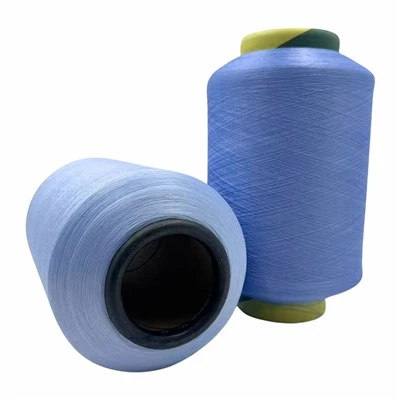
I’ve been in this game long enough to know that pilling isn’t a dealbreaker if you’re on top of the details. We’ve helped small startup brands that were struggling with returns because of pilling, and big household names that wanted to cut costs without sacrificing quality. At the end of the day, spun polyester is one of the most versatile, cost-effective yarns out there, and pilling is a problem that can be solved—no magic, just good manufacturing and clear communication.
Nylon Rubber Covered Yarn If you’re sourcing spun polyester yarn and tired of dealing with pilling headaches, or just want to chat through your project to make sure you get the right yarn for your needs, hit us up. We don’t do one-size-fits-all, and we’re always here to help, not just ship product.
References
- Textile Institute. (2017). Handbook of Spun Yarn Technology. Woodhead Publishing.
- ASTM International. (2020). Standard Test Method for Marindale Abrasion and Pilling Resistance of Textile Fabrics (ASTM D4966).
- Patel, M. (2021). "Pilling Behavior of Polyester Staple Yarns: Effect of Fiber Length and Twist Multiplier." Journal of Textile Science and Engineering, 11(2), 45-52.
- Cotton Incorporated. (2019). Yarn Quality and Fabric Performance: A Practical Guide. Cotton Research Center.
Zhuji Yuanhui Import & Export Co., Ltd.
Zhuji Yuanhui Import & Export Co., Ltd. is one of the most professional spun polyester yarn manufacturers and suppliers in China. With abundant experience, we warmly welcome you to buy high-end spun polyester yarn made in China here from our factory. If you have any enquiry about quotation and free sample, please feel free to email us.
Address: No.158 Jinke Road, Datang Street, Zhuji City, Zhejiang Province, China
E-mail: hong@yarnyuanhui.com
WebSite: https://www.yarnfty.com/
