If you’ve ever stood in front of a manufacturing floor where a vertical multistage pump hums steadily, pushing water or process fluid through a 10-story processing line, you know how critical that pump is. As a vertical multistage pump supplier, I’ve seen too many operations cut corners on maintenance, leading to unplanned shutdowns, inflated repair costs, and even premature pump replacement. The good news? Maintaining a vertical multistage pump doesn’t require a team of certified engineers—it just needs a consistent, system-focused routine tailored to this pump’s unique design. Let’s break down exactly what works, what doesn’t, and how you can extend your pump’s lifespan by years without overcomplicating things. Vertical Multistage Pump
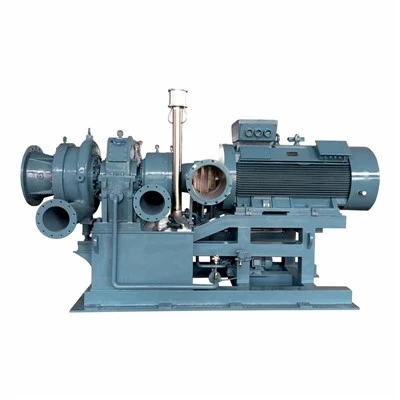
First, let’s ground this in what makes vertical multistage pumps different from their horizontal counterparts. Unlike horizontal pumps, which lay low and rest on a base, vertical multistage pumps stack multiple impellers along a single shaft inside a compact, cylindrical housing, often mounted on tanks or pipes in tight spaces. That vertical design means they handle high pressure with minimal footprint, but it also creates specific wear points that are easy to miss if you’re checking horizontal pumps the same way. I’ve seen a client in the food and beverage industry let a small seal leak turn into a $12,000 repair because they didn’t account for the alignment stress from the pump’s vertical orientation. So, your maintenance routine has to prioritize these vertical-specific factors.
Start with the most basic, and most overlooked, step: daily pre-operational checks. Too many operations jump straight to running the pump without even verifying that the basics are in place. For vertical multistage pumps, this means three quick checks before each startup. First, confirm the suction pressure is within the manufacturer’s specified range. Vertical pumps rely on consistent suction to prevent cavitation—a silent killer that forms tiny vapor bubbles on impellers, which collapse and erode metal over time. I’ve had clients tell me “the pump ran fine last week” when the suction gauge was already 10% below the recommended minimum, and by the time they noticed, three impellers needed replacement. Second, check for unusual vibration or noise. Vertical pumps transfer vibration differently than horizontal ones because their shaft extends upward; even a small misalignment can cause vibration that travels into piping, leading to leaks or cracked fittings. A subtle, high-pitched whine that wasn’t there yesterday is a red flag, not just “pump noise.” Third, inspect the seal area for seepage. Mechanical seals on vertical pumps are designed to have a tiny, controlled leak (usually a few drops per minute), but any more than that means the seal is wearing. Ignoring that leak will let process fluid seep into the shaft bearing, causing corrosion and bearing failure within months.
Weekly checks add a layer of depth to catch issues that daily scans miss. First, inspect the pump’s alignment. Unlike horizontal pumps, which you can check with a straightedge across the base, vertical pumps require a shaft alignment check, typically with a dial indicator. The base plate that the pump is mounted on can shift slightly from thermal expansion or pipe stress, especially if the pump is mounted on an elevated tank. Even a 0.5-degree misalignment will force the shaft to bend slightly, increasing wear on the mechanical seal and bearings. I worked with a pharmaceutical plant that skipped weekly alignment checks, and their pump’s shaft ended up cracked in half after six months of operation—costing them two full days of downtime and hundreds of thousands in lost production. Second, test the motor’s current draw. Vertical pumps are often paired with motors that are sized for their high pressure output, so a spike in current draw can signal a problem. If the motor is drawing 15% more current than the nameplate rating, it could mean the impellers are fouled with mineral deposits or scale, or the bearings are starting to seize. Third, check the fluid being pumped for contaminants. Even clear-looking water can have tiny sediment or metal shavings that will grind down impellers over time. Installing a simple inline strainer upstream of the pump and cleaning it weekly is a cheap fix that prevents major damage.
Monthly maintenance shifts from inspections to preventive tasks that stop issues before they start. The big one here is lubrication. Vertical multistage pumps have two main lubrication points: the shaft bearings and the gear reducer (if equipped). Unlike horizontal pumps, which often use oil baths, many vertical pumps use grease-lubricated bearings because of their compact size, but that doesn’t mean you can use the same grease for every application. For example, a pump pumping cold water in a HVAC system uses a different grease than one pumping hot process fluid in a chemical plant. Using the wrong grease will break down under temperature stress, leading to bearing failure. I recommend following the manufacturer’s grease schedule—usually every 3 to 6 months, depending on operating temperature—and checking the grease for discoloration or metal particles before adding more. If the grease is dark or has a gritty texture, it’s time to clean the bearings and re-grease, not just top it off. Second, flush the pump’s casing and impellers to remove scale or deposits. If your pump is handling hard water, mineral buildup on impellers can reduce efficiency by 20% or more within a year. Flushing the pump with a mild descaling solution (followed by a clear water rinse) monthly will keep impellers smooth, maintaining pressure and reducing load on the motor. Third, inspect the base plate and mounting bolts. Vibrations from the pump can loosen bolts over time, especially in high-vibration environments like mining or water treatment. Tightening loose bolts prevents the pump from shifting, which causes alignment issues and stress on piping connections.
Quarterly and annual maintenance are for deeper, more thorough checks that can extend a pump’s lifespan to 10+ years (we regularly see pumps in our installed base hitting that mark with consistent care). For quarterly, disassemble the pump’s top section to inspect the mechanical seal and shaft sleeve. The shaft sleeve is a hard, replaceable part that the seal rides on—if it’s scratched or pitted, the seal will leak no matter how many times you replace it. Replacing a $50 shaft sleeve is far cheaper than replacing a $500 mechanical seal multiple times a year. For annual maintenance, do a full disassembly of the pump, inspect each impeller for erosion or fouling, check the volute (the housing that surrounds the impellers) for damage, and replace any worn gaskets or O-rings. I can’t stress enough how important it is to use OEM parts here. As a vertical multistage pump supplier, I’ve seen clients cut corners with aftermarket gaskets that don’t fit the vertical housing’s unique shape, leading to leaks that forced a full pump rebuild within 6 months. OEM parts are designed for the specific stress of vertical multistage design, so they’re worth the small extra cost.
Now, common mistakes I see that even experienced operators make. First, over-tightening the suction and discharge piping. Because vertical pumps are rigidly mounted, tightening pipe fittings too much can warp the pump’s housing, causing impellers to rub against the volute. That leads to increased vibration and seal wear, and it’s a hidden issue that’s hard to detect until the pump starts failing. Second, running the pump at zero flow. Vertical multistage pumps are designed to operate within a specific flow range; running them with closed valves (zero flow) for more than a minute causes the fluid inside to overheat, leading to vapor lock and seal damage. I’ve had a client run their pump overnight with the discharge valve closed, and they had to replace the entire set of impellers the next day. Third, ignoring thermal expansion. When a vertical pump heats up during operation, the shaft expands upward, which changes the alignment. Installing expansion joints in the piping system, and adjusting alignment when the pump is at operating temperature, prevents this issue.
At the end of the day, maintaining a vertical multistage pump is about consistency, not complexity. It’s not about hiring a specialist for a one-time overhaul—it’s about a 5-minute check every day, a 30-minute check every week, and a few scheduled deep cleans a year. Most unplanned pump failures come from small, avoidable issues that are easy to miss if you’re only checking the pump when it breaks.

If you’re looking to extend your pump’s lifespan, optimize its efficiency, or need guidance on a tailored maintenance plan for your specific application, we’re here to help. We work with facilities across industries—from food and beverage to municipal water treatment to chemical processing—and can provide expert insights, OEM replacement parts, and maintenance support to keep your vertical multistage pumps running smoothly. Don’t wait for a shutdown to address your pump’s needs; reach out today to connect with our team for procurement and maintenance consultations.
Vertical Multistage Pump References
- Hydraulic Institute. (2021). Centrifugal Pump Maintenance Guide: For Vertical Multistage Applications.
- American Society of Mechanical Engineers. (2019). Standard for Pump Vibration and Noise Levels.
- National Water Quality Association. (2020). Maintenance Best Practices for Vertical Process Pumps.
- Pump Systems Matter. (2022). Optimizing Pump Efficiency Through Routine Maintenance.
Xiaofeng Machinery Technology Co., Ltd.
As one of the most professional vertical multistage pump manufacturers and suppliers in China, we also support custom service. Please feel free to wholesale advanced vertical multistage pump made in China here from our factory. Quality products and reasonable price are available.
Address: No.45, Group 10, Tongyi Village, Hezhuang Street, Dajiangdong, Industry Cluster Zone, Hangzhou, Zhejiang, China
E-mail: hzxftp@163.com
WebSite: https://www.hzxfmt.com/
