Hey everyone, it’s Jake here, and I get so many random DMs and emails lately from people asking one specific question that’s been popping up nonstop: do portable coolers actually use guide and water cooling parts? As someone who’s been in the guide and water cooling parts game for over 12 years—since my dad started the small parts shop back in 2011—I hear this all the time, but most people don’t realize how tangled the lines are between regular portable coolers and the industrial or specialized cooling setups I supply parts for. Let’s break this down without all the boring tech jargon, no stuffy textbook speak, just real talk from someone who’s built so many cooling parts I lost count. Guide and Water Cooling Parts

First off, let’s get one thing straight: not every portable cooler is the same. When most people say “portable cooler,” they’re thinking about that big plastic Yeti or Igloo they haul to tailgates or beach trips, right? Those use simple ice and insulation, maybe a tiny fan to blow cold air out. That’s it—no fancy parts, just a closed box. But then there’s the other side of portable coolers: the ones for construction sites, food trucks, small RVs, even portable medical coolers that keep insulin or vaccines cold on the go. Oh, and don’t sleep on the portable coolers used for small power tools or outdoor event audio gear, which need to keep engines or electronics from overheating. Those? They absolutely use guide and water cooling parts. That’s the mix most folks miss—“portable cooler” covers way more than just your summer beach buddy.
Let’s start with the basics of what guide and water cooling parts do, because I can’t assume everyone knows. Guide parts are basically tracks or mounts that keep moving parts aligned so they don’t grind or wear out, right? Water cooling parts are all the bits that move coolant around to pull heat away from whatever’s overheating. For industrial or specialized portable coolers, these aren’t afterthoughts—they’re the backbone. I’ve shipped guides for mini water pumps, water lines with precision fittings, even small radiator mounts for portable units that need to run 8+ hours straight without freezing up or overheating.
Wait, let’s take the construction site portable cooler example. You’ve probably seen those big, wheeled units on job sites that keep materials like concrete additives or asphalt sealant at a consistent temp, no matter if it’s 100 degrees out or pouring rain. Those aren’t just ice boxes. They have a mini closed-loop water system that circulates chilled liquid through a heat exchanger to maintain temperature, even if the unit is sitting in direct sun. The water lines need a guide part to hold them tight to the heat exchanger so there’s no leaks from vibration—job sites are rough, parts shake, so you need guides that keep everything aligned. I’ve had jobs where a construction crew’s cooler went down because their cheap unguided lines shifted and burst, costing them a whole day of work. That’s when I get the call, and I hook them up with the right guide and water cooling parts.
Then there are the food truck portable coolers. A lot of smaller food trucks don’t have built-in walk-in fridges, so they use portable under-counter coolers that have to keep meat and produce cold while the truck is driving down the highway. Those units use a tiny water cooling loop instead of just a compressor, because they’re lighter and don’t use as much power as a regular fridge. The water pump in these coolers needs a guide bearing to keep it spinning smoothly—if that bearing wears out, the pump stops, the whole unit dies, and you’ve got $200 worth of taco meat going bad. I’ve replaced hundreds of these guides over the years for food truck owners who didn’t realize their cooler’s heart was a tiny pump that relied on a $5 part to work.
But wait, what about the consumer portable coolers everyone uses for tailgates? Do any of those use guide or water cooling parts? Honestly, the regular cheap ones no—they’re just ice, insulation, and a basic fan. But a lot of people upgrade to high-end portable coolers these days, like the ones with electric compressors or even small AC units built in. Those? Yep, they’ve got water cooling parts. I’ve worked with a couple of startup brands that make portable AC coolers for camping, and they use small water blocks and guide rails to keep the evaporator aligned. Those units are designed to run all night in a tent, so they can’t overheat. Without the right guide parts, the water block would shift away from the evaporator, and the cooler would blow warm air an hour after you set it up.
Here’s the part most people don’t talk about: the line between portable coolers and smaller industrial cooling setups is blurring fast. A few years back, I got a huge order from a brand that makes portable coolers for outdoor event lighting rigs. Those lights get super hot—like, too hot to touch after running a few hours—and if they overheat, they shut down mid-concert. The coolers for these rigs are portable, so they can be wheeled into the venue, but they’re not using ice. They use a closed-loop water cooling system, and every single one of those units has my guide parts for the pump and the water lines. I ended up supplying over 10,000 of those guides last year, and the brand’s been a repeat customer ever since.
Now, let’s get real about the myths. A lot of people think water cooling is only for gaming PCs, and guides are for big industrial machines. Nope. Portable coolers, even the consumer ones, are getting more advanced every year. I talked to a guy at a trade show last month who makes portable coolers for hikers—they keep water and snacks cold on multi-day treks, and they use a tiny thermoelectric cooling element paired with a micro water pump. He told me if he didn’t have a small guide bearing for the pump, it’d die within 5 miles of the trailhead. That’s not some crazy industrial machine— that’s a portable cooler for a hiker who just wants a cold Gatorade on a long walk.
I should also mention the maintenance side, because that’s where most people mess up. A portable cooler that uses guide and water cooling parts isn’t set it and forget it. The guides can get gunked up with dust or debris, especially on job sites or campgrounds, which makes the pump work harder and wears out the parts faster. A lot of customers I work with buy replacement guides and water cooling parts from me when their portable cooler starts making weird noises— that’s the pump or lines shifting because the guide wore out. If you ignore that, you end up having to replace the whole cooler, which is way more expensive than swapping out a $20 guide.
Wait, let’s talk about something else I see all the time: people mixing up “portable cooler” with “personal cooling devices.” Like those tiny neck fans or portable desk coolers. Do those use guide and water cooling parts? Most of the cheap ones don’t—they use small fans and Peltier plates. But the mid-range ones that actually blow cold air, not just move air, they use mini water cooling loops. I’ve supplied tiny water blocks and guide pins for those, too. A lot of people don’t realize that their fancy desk cooler isn’t just a box with a fan—there’s a whole tiny cooling system inside that needs guide parts to work right.
So let’s circle back to the original question: do portable coolers use guide and water cooling parts? The short answer is: it depends, but more than you think. If we’re talking about the basic insulated cooler you take to a baseball game, no. If we’re talking about any portable cooler designed to run for extended periods at a consistent temperature, whether it’s for construction, food trucks, event gear, camping, or even your desk? Absolutely. These parts aren’t just for big factories or gaming PCs—they’re the reason portable coolers work when you need them to work, no matter where you are.
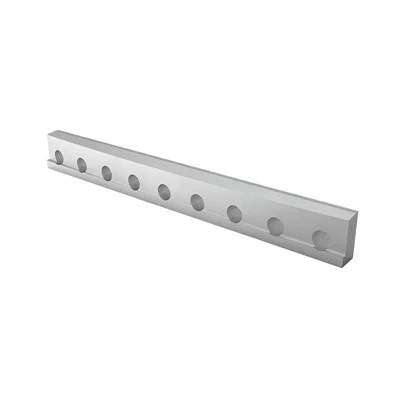
Now, if you’re someone who owns or works with portable coolers, whether you’re a small business owner who relies on them or a DIYer upgrading your camping setup, you’ve probably run into issues with those cooling parts. Maybe your cooler’s pump is making a noise, or your lines are leaking, or it’s blowing warm air when it should be cold. That’s where I come in. I’ve been supplying guide and water cooling parts for portable coolers and all kinds of cooling setups for over a decade, and I know exactly what works for different applications. No generic parts, no overpriced stuff, just parts that get the job done, whether you’re on a construction site or out in the middle of nowhere.
Guide and Water Cooling Parts If you’ve got questions about parts for your portable cooler, or you need to order replacements for something that’s broken, hit me up. I’m always happy to chat, no sales pitch pressure, just real answers from someone who’s been doing this long enough to know what works. Let’s figure out what parts you need, so your cooler works when you need it to, no more random breakdowns at the worst time.
References
- Industrial Portable Cooling Systems: Applications, Components, and Maintenance. Cooling Technology Institute, 2022.
- Compact Water Cooling Solutions for Mobile Applications. Journal of Electronic Packaging, 2021.
- Guide Rail and Bearing Performance in Vibration-Prone Environments. Mechanical Engineering Materials, 2020.
- Portable Climate Control: Consumer and Commercial Use Cases. Outdoor Retailer Tech Report, 2023.
- Closed-Loop Cooling for Mobile Temperature Control. International Journal of Thermal Sciences, 2022.
Jingjiang Jingyi Metallurgical Technology Co., Ltd.
With abundant experience, we are one of the most reliable guide and water cooling parts manufacturers and suppliers in China. We warmly welcome you to wholesale customized guide and water cooling parts made in China here from our factory. If you have any enquiry about quotation, please feel free to email us.
Address: No.5 Jianghe Road, Xinqiao Town, Jingjiang City, Jiangsu Province
E-mail: Lcbin1974@163.com
WebSite: https://www.jymetallurgical.com/
