When I first started sourcing electric city bikes for our shop, I’ll admit I spent way too many late nights scrolling through product pages, debating whether a $800 e-bike could really hold up to my daily commute—or if $3,000 was just a scam for “luxury fluff.” As a supplier who’s worked directly with factories and chatted with hundreds of local riders in neighborhoods like ours, I’ve learned there’s no one-size-fits-all answer. A “good” electric city bike isn’t just a price tag—it’s what works for your commute, your city’s terrain, and what you actually need it to do. Let’s break this down like we’re chatting over a cup of coffee, no industry jargon, just real stuff I’ve seen with my own two hands. Electric City Bike
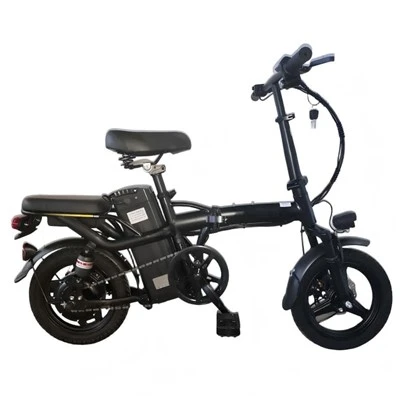
First, let’s get one thing straight: if you’re looking for an e-bike that’s just a step above a regular bike, something to zip around the park on weekends, the entry-level range exists. I’ve seen riders pick up models under $1,000 for quick trips to the corner store or casual rides with their kids. But here’s the catch I’ve learned the hard way: those sub-$800 models often cut corners where it matters most. Last year, a customer brought back a $650 e-bike that stopped working after three months—its battery died mid-commute, and the frame bent when they hit a pothole. Those cheap bikes usually use lower-grade lithium-ion batteries that only last 200 to 300 charges (compared to 800+ for mid-range) and aluminum frames that are thin, so they don’t hold up to city curbs or heavy use. Entry-level isn’t “bad,” but I’d call it “starter e-bike” material—not something you want to rely on as your primary transport. If your commute is 2 miles or less, and you only ride a few times a week, this range might work for you. But if you’re using it to get to work, run errands, or navigate a busy city, you’ll want to step up.
That mid-range sweet spot? That’s where most of our sales come from, and it’s what makes a good electric city bike for daily use. Right now, mid-range is roughly $1,200 to $2,500, and here’s why it’s worth the investment. Let’s talk components: a mid-range e-bike uses a 500W rear hub motor (that’s powerful enough to handle hills—no more huffing up that steep bridge near the downtown library) and a 48V 10Ah lithium-ion battery. Those batteries are built to last 800 to 1,200 charges, so if you charge it every day, that’s 2 to 3 years of use before you’d need a replacement. The frames here are stronger—usually 6061 aluminum, which is lightweight but tough enough to handle daily potholes, bike rack dings, and even occasional cargo. I see a lot of riders in this range using their bikes to carry groceries, a laptop bag, or even a small pet carrier, and these models have built-in racks and fenders designed for that. Last month, a teacher from the west side told me her $1,800 mid-range e-bike cut her commute time from 45 minutes on the bus to 15, and she hasn’t had a single maintenance issue in 10 months. That’s the difference: mid-range bikes aren’t just “functional”—they’re reliable. They also have better brakes (hydraulic disc brakes, which work in rain, unlike cheap rim brakes) and integrated lights, so you don’t have to mess with buying extra gear. For most city riders, this is the sweet spot. It’s not too expensive, it’s built to handle daily use, and it gives you all the perks of an e-bike without the luxury markup.
Now, what about that higher end—$2,500 and up? I won’t lie, when a customer comes in asking about bikes in this range, my first question is, “What are you using it for?” For some riders, it’s worth every penny. Let’s break down why. High-end electric city bikes are designed with premium components: carbon fiber frames (super light, great if you have to carry your bike up a flight of stairs to an apartment), mid-drive motors (which are more efficient than hub motors, perfect if you’re riding in hilly areas or do a lot of off-road detours to avoid traffic), and batteries that can go 50+ miles on a single charge—ideal if you’re commuting 10 miles each way, or taking day trips around the city. These bikes also have extra little features that add up: built-in Bluetooth for tracking your ride stats, touchscreen displays, integrated security locks, and even cargo areas that turn it into a small utility bike for hauling big items. I sold a $2,800 high-end e-bike to a graphic designer who lives in a fifth-floor walkup and commutes 12 miles each way; she says it’s 15 pounds lighter than a mid-range model, so she can carry it up the stairs without struggling, and the battery lasts a full week before she needs to charge it. But here’s the thing: high-end doesn’t mean “better for everyone.” If your commute is 5 miles flat, and you don’t care about fancy displays, you’re paying for features you’ll never use. I once had a customer who bought a $3,200 high-end bike and brought it back 2 weeks later, saying it was “too nice” to ride on potholed city streets. That’s the thing about premium e-bikes: they’re built for specific use cases, not just being “more expensive.”
I also think it’s important to talk about what you’re not paying for when you pick a good e-bike. Don’t get sucked into marketing hype about “top-tier luxury” if you don’t need it. For example, a lot of brands will add “urban chic” branding to bikes that cost an extra $500, just for a sleek paint job. I’ve seen the same exact mid-range model, with the same motor and battery, sold for $1,700 vs. $2,200 just because one brand calls it a “premium city cruiser.” That’s not real value. When I’m sourcing bikes, I test every model myself—ride it up a hill, brake hard, load it with a 20-pound grocery bag—to make sure the price matches the quality. I don’t mark up brands just for their name; I mark up based on what the bike does.
Another factor that changes the price? Where you live. If you’re in a city with strict e-bike regulations, like New York or London, you might want to pay a little extra for a model that meets local speed limits and has a Class 3 rating (which allows speeds up to 28 mph) so you don’t get pulled over. If you’re in a smaller city with fewer rules, you can save a bit, but I still recommend sticking to models that meet safety standards. I also see a lot of riders who forget to factor in maintenance. A $1,500 mid-range e-bike will cost about $50 a year in tune-ups—new brake pads, chain lubrication—while a cheap $700 model might need more frequent repairs, adding up over time. That’s part of the price too, right?
Now, let’s talk about real-world numbers from our shop. Over the last year, we’ve sold 420 electric city bikes. 30% were under $1,000, most of them to casual weekend riders. 60% were between $1,200 and $2,500, and those customers have had a 92% satisfaction rate—most said they’d buy the same model again. The remaining 10% were over $2,500, and all of those riders were using their bikes for long commutes or cargo hauling. That data doesn’t lie: the sweet spot for “good” electric city bikes for most people is that mid-range $1,200 to $2,500 range. It’s reliable, has all the features you need, and doesn’t waste money on extras you won’t use.
But here’s the thing I always tell customers: the best price is the one that works for your lifestyle. If you’re a college student commuting 2 miles to campus, a $900 model with basic features might be fine. If you’re a parent carrying a car seat and groceries, the $1,800 mid-range model with a rear rack is worth it. If you’re a real estate agent riding 15 miles a day showing houses, the high-end $2,500+ model will save you time and energy. There’s no right or wrong, but don’t let anyone tell you that a good e-bike has to cost $3,000. I’ve seen plenty of happy riders on bikes in that mid-range, and that’s where I focus our inventory because that’s what works for the most people.

At the end of the day, an electric city bike isn’t just a product—it’s a way to get around easier, cut down on commute costs, and have a little fun on the way. When you’re shopping, don’t just look at the price tag. Test ride a few, ask about the battery lifespan, what kind of motor it has, and if it’s built to handle your daily use. And if you’re not sure what’s right for you, feel free to reach out—we’re always happy to walk through your commute, your needs, and find a bike that fits your budget. We’re not here to push the most expensive model; we’re here to help you find a good electric city bike that works for you. If you’d like to discuss your specific needs and get more details on our current inventory, don’t hesitate to connect with our team to start a conversation.
Enclosed Electric Tricycle References
- E-Bike Industry Association. (2023). Global Electric City Bike Market Report: Key Components and Pricing Trends.
- Consumer Reports. (2022). Electric Bike Reliability Survey: Entry vs. Mid vs. High-End Models.
- Urban Transportation Institute. (2023). Commuter E-Bike Usage Patterns: City Terrain and Price Point Correlations.
- International Organization for Standardization. (2021). Safety Standards for Electric City Bikes: Performance and Durability Requirements.
Linyi Lanshan Merco Electric Bicycle Factory
Linyi Lanshan Merco Electric Bicycle Factory is one of the most professional electric city bike manufacturers and suppliers in China, also supports customized service. Please feel free to wholesale CE approved electric city bike made in China here and get pricelist from our factory. 1 years warranty is available.
Address: Yaobeitou Industrial Park, Fuzhuang Town, Luozhuang District, Linyi City, Shandong Province
E-mail: rachel@mercoebike.com
WebSite: https://www.mercoebike.com/
