What is a 4WD Tractor, Anyway? Tractor
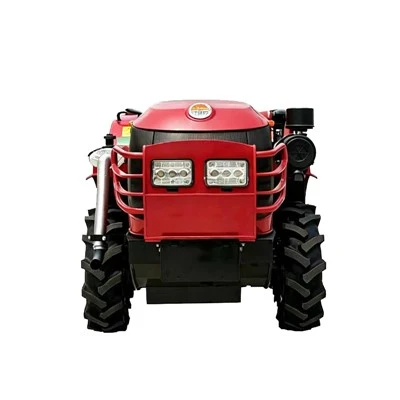
Let’s cut to the chase: if you’ve ever shopped for tractors for your farm, landscaping crew, or even a small construction project, you’ve probably seen the term “4WD tractor” thrown around. But what does it actually mean, and why should you care? As a tractor supplier who’s spent years talking to farmers, landowners, and project managers, I’ve learned that a lot of folks mix 4WD tractors up with regular 2WD ones, and that mix-up can lead to picking the wrong machine for the job.
First, let’s break down the basics. A 4WD tractor, short for four-wheel drive tractor, is exactly what it sounds like: a workhorse with power going to all four wheels, not just the rear ones. Regular two-wheel drive (2WD) tractors only send power to the back wheels, which are the ones hooked to your plow, tiller, or loader. That means the front wheels are just along for the ride, acting more like a steering wheel than a driving wheel. When things get soft—like mud, wet soil, or gravel—those back wheels spin, slip, and waste a ton of power. A 4WD tractor fixes that by powering both the front and rear wheels, so you get way more traction, better stability, and way less stuck-in-the-mud headaches.
Wait, but not all 4WD setups are the same, right? I get it, the tech can get confusing, so let’s keep it simple. Most 4WD tractors fall into two main categories: MFWD (mechanical front-wheel drive) and RWD (rear-wheel drive, no, wait, no—wait, no, the main ones are MFWD and the bigger, heavy-duty articulated 4WDs, often called “4WD row-crop” or “agricultural 4WDs”). Let’s explain those. MFWD is the one you’ll see on mid-sized tractors, like for a 50-200 hp farm. It kicks in automatically when the rear wheels start slipping—you don’t have to flip a switch, most of the time. The front wheels are smaller than the rear ones, which makes sense because they only help with driving, not pulling heavy loads. Then there’s the big boys: articulated 4WD tractors, the ones with the “bend” in the middle, between the cab and the back wheels. These are monsters, like 200 hp and up, built for big farms, construction sites, or logging. Their frame bends so they can turn tighter than a regular big tractor, and all four wheels get power, which is perfect for pulling heavy trailers or tilling huge fields in soft ground.
Now, why is this a big deal for you, especially if you’re looking to buy or rent? Let’s run through real scenarios I’ve seen customers deal with. Last spring, a small corn farmer came to me with a problem: his 2WD tractor kept getting stuck in his low-lying fields after a rain. He was wasting time and fuel spinning his back wheels, and he’d almost missed his planting window. We ended up getting him a mid-sized MFWD 4WD tractor, and he told me later he cut his planting time by 30% and never got stuck again. Another customer was a landscape contractor who needed a tractor to move big loads of mulch around sloped, grassy yards. The 2WD tractor would slip on the hills, making it hard to control the loader. The 4WD’s extra traction kept the machine steady, even when he had a full bucket.
And let’s not forget fuel efficiency—something everyone cares about these days. A 2WD tractor that’s slipping through mud or soft ground is burning way more gas (or diesel, for you heavy-duty folks) just to move forward. A 4WD tractor uses that power way better, so you get more work done per gallon. That adds up fast, especially if you’re running the machine 10+ hours a day.
But wait—are 4WD tractors right for every job? No, and I tell customers that all the time. If you’ve got a small flat lawn, or you’re only moving light stuff around a paved driveway, a 2WD tractor will work just fine, and it’s cheaper. But if you’re working on uneven ground, soft soil, slopes, or pulling heavy loads, a 4WD is non-negotiable. Another thing to note: some people think 4WD tractors are harder to turn or use, but modern models have fancy steering systems that make them just as easy (or easier) to maneuver than 2WD ones. I’ve had customers complain at first that the front wheels feel “looser,” but after a day of use, they can’t go back.
Now, let’s talk about what to look for if you’re shopping for a 4WD tractor. First, size matters. If you’ve got a small hobby farm or property under 10 acres, a 50-75 hp MFWD 4WD will do you right. For 100+ acre farms, or heavy construction work, you’ll want something bigger, maybe 150+ hp articulated. Next, think about what attachments you’ll use most. If you’re using a front loader a lot, make sure the 4WD has enough power to handle the extra weight on the front axle—some models have reinforced front ends for that. Also, check if the 4WD system is automatic or manual. Automatic is way easier for most people, since it engages when you need it without you having to pay attention. Manual is only useful if you’re a pro who needs fine control, and even then, most folks prefer automatic.
As a tractor supplier, I see a lot of first-time buyers make the mistake of going for the cheapest tractor, only to realize they need a 4WD a few months later. That’s why I always ask customers about the terrain they work on, the loads they pull, and how many hours they’ll use the machine. A 4WD tractor is an investment, sure, but it pays for itself in less downtime, less fuel, and less stress.
Wait, let’s clear up another common myth: 4WD tractors are only for farms. Nope! I’ve sold 4WD tractors to landscapers, ranchers, snow removal companies (they work great for plowing driveways and parking lots in heavy snow), even small construction teams that need a machine to move dirt on uneven sites. If your work involves anything more than flat, hard ground, a 4WD is worth the extra cost.
Let’s talk about maintenance too, since that’s a big part of owning any machine. 4WD systems do have a few extra parts than 2WD—front axles, drive shafts, etc.—but modern ones are built to last, especially if you take care of them. Changing the oil on schedule, checking the front axle fluid, and making sure the 4WD engagement mechanism is clean will keep your tractor running for years. I always tell customers to ask for a maintenance guide when they buy, and to stick to it—small fixes now save you big headaches later.
So, to wrap this up: a 4WD tractor is a workhorse with power to all four wheels, designed to give you more traction, better stability, less slip, and more efficiency than a 2WD. It’s not just for big farms anymore—if you’re working on uneven, soft, or sloped ground, it’s probably the right choice for your needs.
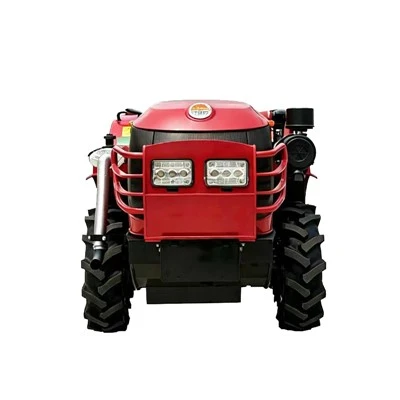
If you’re in the market for a 4WD tractor, or you’re not sure if it’s the right fit for your work, we’re here to help. We can walk you through different models, answer any questions you have, and help you pick the right size and setup for your specific needs. Don’t waste another deal with stuck machines or wasted fuel—reach out to start the conversation about finding the perfect 4WD tractor for you.
Tractor References:
- National Agricultural Statistics Service. (2022). Agricultural Tractor Usage and Performance Report. U.S. Department of Agriculture.
- Tractor Industry Association. (2023). Four-Wheel Drive Tractor Specifications and Application Guide. North American Equipment Manufacturers Association.
- Small Farm Journal. (2021). Choosing the Right Tractor for Hobby and Commercial Operations. Independent Agricultural Publishing.
Shandong Jiayuan Agricultural Equipment Co., Ltd.
As one of the most professional tractor manufacturers and suppliers in China, we have world-leading production equipment and strong manufacturing capabilities. Please feel free to buy advanced tractor for sale here from our factory.
Address: No.2, No.002777 Zhongjiang West 4th Street, Yangzi Subdistrict, Binhai District, Weifang City, Shandong Province, China
E-mail: sdjynyzb@163.com
WebSite: https://www.jiayuantractor.com/
