Hey there, fellow pajama lovers and anyone hunting for the perfect sleepwear fabric! If you’ve landed on this, chances are you’ve either just treated yourself to that cozy bamboo pajama set you saw all over social media, or you’re stocking up for your store and wondering, “Wait, how do I keep this stuff in good shape for as long as possible?” As a pajamas fabric supplier who’s worked with bamboo fiber for years—hell, I even have a bamboo sheet set on my own bed—I’ve seen first-hand what happens when you skip the right care steps (hint: it’s not pretty, and no one wants faded, scratchy sleepwear). Let’s cut the jargon, keep this real, and break down exactly how to care for bamboo pajama fabric, so yours stays soft, sustainable, and dreamy for years. Pajamas Fabric
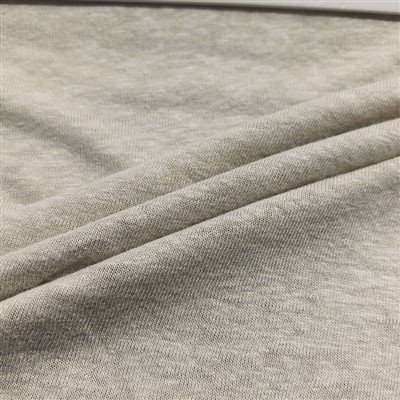
First off, let’s get one thing straight: bamboo fabric isn’t like your old cotton tees that you can toss in hot water and tumble dry on high without a second thought. That’s one of the biggest mistakes new owners make. Bamboo fiber—especially the viscose bamboo we use for most pajama sets (it’s the soft, drapey stuff, not the hard, coarse bamboo linen)—has tiny, delicate cellulose fibers. If you treat it rough, those fibers break down, which leads to that “pillowy” fuzz, shrinkage, or even a loss of that signature softness. I’ve had clients reach out to me saying their bamboo pajamas shrank a size after the first wash, and 9 times out of 10, it was because they cranked the water temp to hot. Let’s start with the basics: laundry 101 for bamboo.
When it comes to washing, cold water is your new best friend. I know, I know—you’re used to using hot water for whites to get them bright, or warm for a deeper clean. But hot water is bamboo’s enemy. It can cause the fibers to relax too much, leading to shrinkage, and fade any dyes way faster than cold water does. Even if your set is dark, stick to cold. For the detergent, skip the harsh, heavy-duty ones with bleach, fabric softeners, or enzymes. Bleach is a total no-go—it breaks down the bamboo fibers, turning that soft fabric into something that feels like cardboard. Enzymes are meant for tough stains, but they can eat away at the delicate cellulose in bamboo over time, especially if you wash the same set repeatedly. Fabric softeners? I know they make other fabrics feel nice, but they leave a waxy residue on bamboo fibers that clogs them up. This is a big one! That residue makes your pajamas less breathable (which is the whole point of bamboo, right? It’s temperature-regulating) and causes pilling way sooner. If you’re worried about static, a tiny dash of white vinegar in the rinse cycle works way better and is way gentler—trust me, I use this trick for my own bamboo stuff.
Now, washing machine settings. Don’t throw your bamboo pajamas in with your jeans or your heavy towel sets—those will rub against each other and cause friction, which leads to pilling. Always wash bamboo inside out, and use the gentle or delicate cycle. That cycle uses slower spin speeds and less agitation, which is way easier on the fibers. If you have a mesh laundry bag? Use it. Even if you’re washing just the pajama set, a mesh bag adds an extra layer of protection against snags from zippers or other clothes. Pro tip: never overstuff your washing machine. Too many clothes mean the bamboo is getting squished and rubbed around more, which again, leads to wear. I usually wash my two bamboo pajama sets separately, or with a load of other soft, similar fabrics like modal—nothing rough or heavy.
What about stains? Let’s be real, we’ve all spilled a glass of wine, a cup of coffee, or a snack on our sleepwear. Don’t reach for that stain remover bottle just yet—most of them are too harsh for bamboo. First, dab (don’t rub!) the stain with cold water as soon as you notice it. Rubbing works the stain deeper into the fabric and breaks the fibers. If the stain is persistent, use a tiny bit of mild detergent (the kind you use for baby clothes works great, it’s super gentle) and dab it on, then let it sit for 10-15 minutes before washing. Never pre-treat with a spray and leave it for hours, that can damage the bamboo. And again, no bleach, even the “color-safe” kind—save that for your old cotton stuff.
Once you’ve done the wash, drying is another make-or-break step. I see so many people throw their bamboo pajamas in the dryer on high heat, and that’s a surefire way to shrink them. Bamboo fibers can withstand high heat, but too much of it will cause them to contract and lose that softness. Here’s my go-to: line drying is the best option. It’s gentle, saves energy, and keeps the colors bright. I hang my bamboo pajamas on a plastic clothesline (no metal, that can cause rust stains) in a shaded area—direct sunlight can fade dyes over time, so skip the sunny spot. If line drying isn’t an option, tumble dry on low heat only, and take the pajamas out while they’re still slightly damp. The residual heat will finish drying them without over-cooking the fibers. Avoid drying them completely dry in the dryer—they’ll get stiffer, and you’ll need to iron them (more on that in a sec). Also, don’t use dryer sheets! They leave that waxy residue we talked about earlier, which is bad for breathability and softness. If you’re worried about wrinkles, a quick shot of a fabric spray (not a heavy one) or a light iron works, but let’s talk about ironing.
Do you even need to iron bamboo pajamas? Most of the time, no—bamboo is naturally drapey, so wrinkles are part of the cozy vibe. But if you really want them smooth, go for it. Use the lowest heat setting on your iron (check the fabric tag, but it’s usually around medium-low, like 150°C or 300°F), and iron while the pajamas are still slightly damp. Never use steam, and don’t iron over embellishments like buttons or prints—they can melt or fade. Alternatively, use a pressing cloth between the iron and the fabric, that adds an extra layer of protection. I’ve ironed my own bamboo set a couple times when I had guests over, and it worked fine as long as I kept the heat low and didn’t press too hard.
Now, what about storage? If you’re storing your bamboo pajamas for a while, don’t fold them tight and stuff them in a dark closet for months without checking. Bamboo is natural, so it can hold moisture if it’s not fully dry, which leads to mildew. Make sure they’re completely dry before storing, and fold them loosely—tight folding can cause creases that are hard to get out, and over time, can weaken the fibers. Avoid plastic storage bags, they trap moisture and don’t let the fabric breathe. Cotton storage bags or even just a drawer with other soft clothes works best. And another thing: don’t store bamboo pajamas with mothballs or harsh scented sachets. Those chemicals can absorb into the fabric and make it smell weird, and also damage the delicate fibers. Stick to cedar chips (natural, not the chemical kind) if you’re worried about moths, they work great and are gentle.
Wait, let’s address a common question I get from customers: does bamboo fabric pill? Pilling is totally normal for any fabric, right? Cotton pills, polyester pills, bamboo will too. But the good news is, if you follow the care steps I mentioned, you can minimize pilling. A lot of pilling happens because of friction—washing with rough fabrics, overstuffing the machine, tumble drying on high. If you wash inside out, use gentle cycle, line dry, and avoid harsh detergents, your bamboo pajamas will pill way less. If you do get pills, don’t pull them with your fingers (that can snag the fabric). Use a fabric shaver (the small, battery-powered ones work great) or a pair of small scissors to snip them off gently. I have one of those fabric shavers for my own stuff, it’s a life-saver.
As a pajamas fabric supplier, I test all the care steps we recommend for our bamboo fabrics on our own products, so I know these work. I’ve had a client reach out last year saying their bamboo pajama set has had 50 washes and it still feels as soft as the first day, and they credited following the care tips I gave them. On the flip side, I’ve had a client who threw their bamboo set in hot water and dried it on high heat, and it shrank 2 sizes and felt scratchy after one wash—total bummer, and avoidable.
One more thing: bamboo fabric is super sustainable, right? It’s biodegradable, uses way less water than cotton, so it’s important to keep that in mind with care too. The care steps I mentioned aren’t just for keeping your pajamas nice—they’re also extending the life of a sustainable product, which means you’re not throwing it out and buying a new one anytime soon. That’s a win for you and a win for the planet.
If you’re a store owner, a small business, or anyone looking to stock bamboo pajama fabrics, remember that proper care instructions are key for your customers. If you give them clear, easy steps, they’ll love their sets more, they’ll come back for more, and that’s a win for everyone. If you have questions about the care for our bamboo fabrics, or want to bulk order for your brand, hit us up—we’re here to help with all your pajama fabric needs.
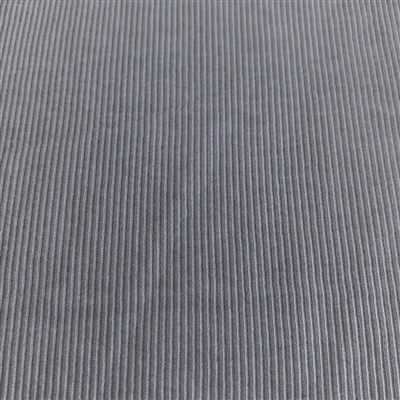
Now, let’s wrap this up. Bamboo pajama fabric is amazing—soft, breathable, temperature-regulating, sustainable—but it does need a little extra love. Stick to cold water, gentle cycles, no harsh detergents, line dry when you can, skip the fabric softeners and dryer sheets, and follow those small steps, and your bamboo pajamas will stay cozy for years. No need for fancy tricks, just simple, practical care. If you’re looking to source high-quality bamboo pajama fabrics for your line, or have questions about care for specific blends, don’t hesitate to reach out.
Tencel Fabric References:
- Textile Institute. (2021). Care Guidelines for Cellulosic Bamboo Fabrics. Journal of Textile Care and Durability.
- Sustainable Apparel Coalition. (2022). Best Practices for Extending Natural Fiber Fabric Lifespan. Higg Index for Apparel and Footwear.
- International Organization for Standardization. (2019). ISO 105-X12: Textiles – Tests for colour fastness – Part X12: Colour fastness to rubbing.
- University of California, Division of Agriculture and Natural Resources. (2020). Laundering Natural Fiber Fabrics: Care Tips for Home Users. Publication 8277.
Shaoxing Valu Textile Co., Ltd.
Shaoxing Valu Textile Co., Ltd. is one of the most professional pajamas fabric manufacturers and suppliers in China. We have world-leading production equipment and strong manufacturing capabilities. Please feel free to wholesale bulk high quality pajamas fabric made in China here from our factory. Also, custom service is available.
Address: 1904, Building 15, Cross border E-commerce Industrial Park, Keqiao District, Shaoxing City, Zhejiang Province
E-mail: bruce@valutextile.com
WebSite: https://www.valutextile.com/
